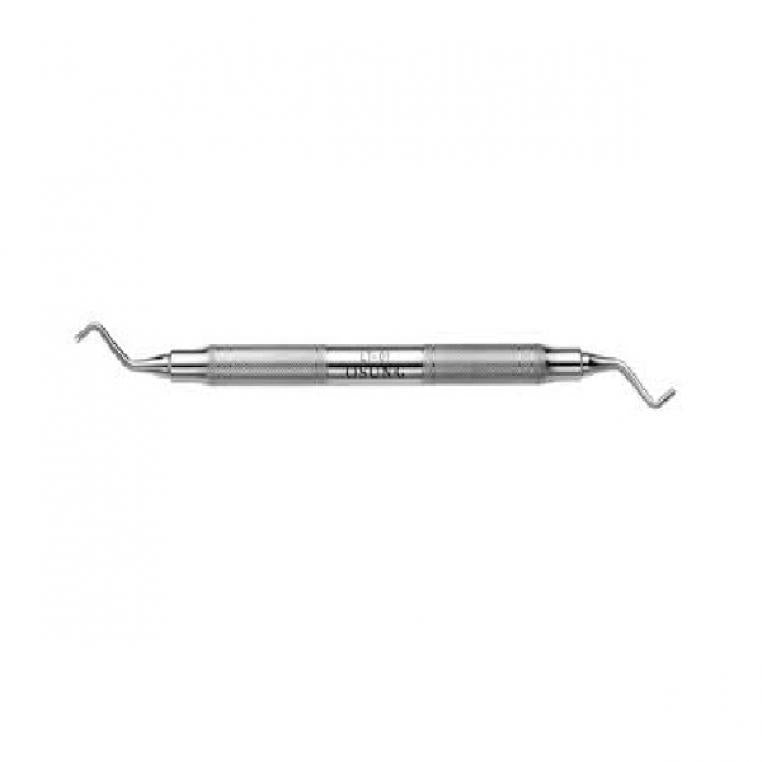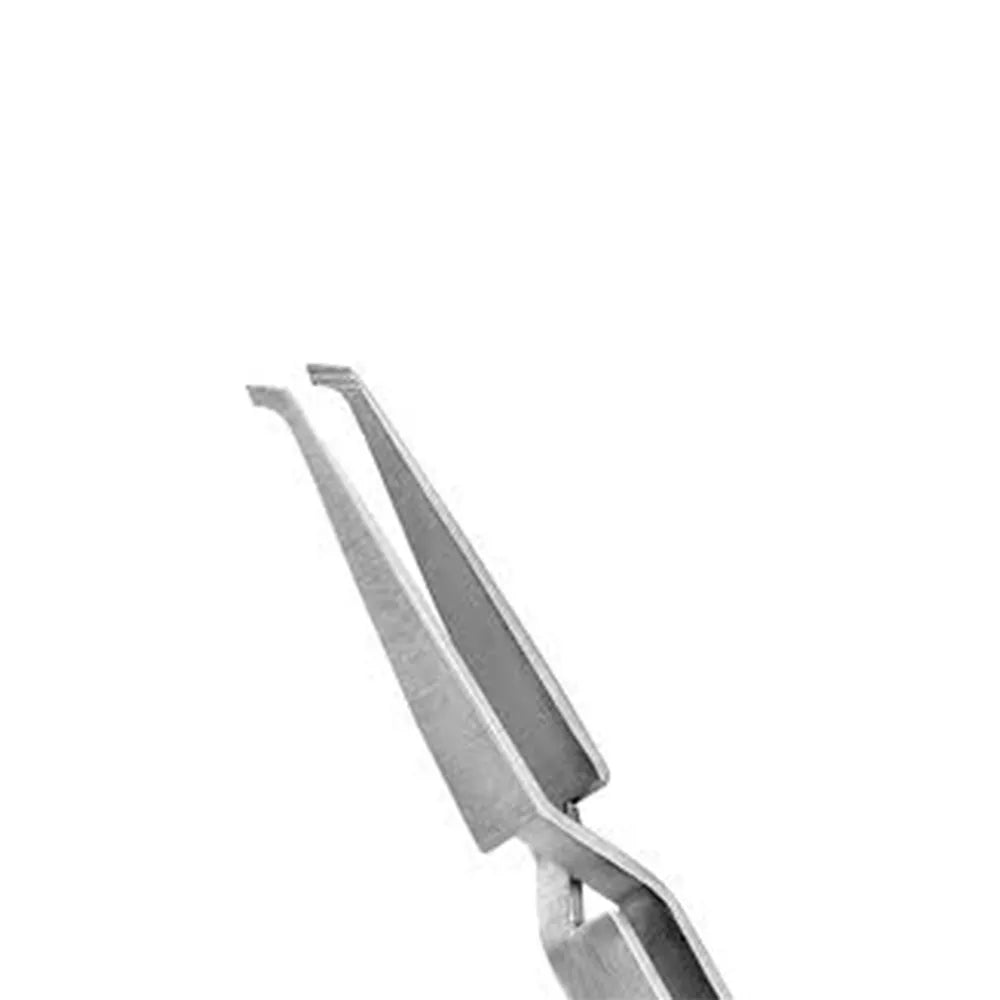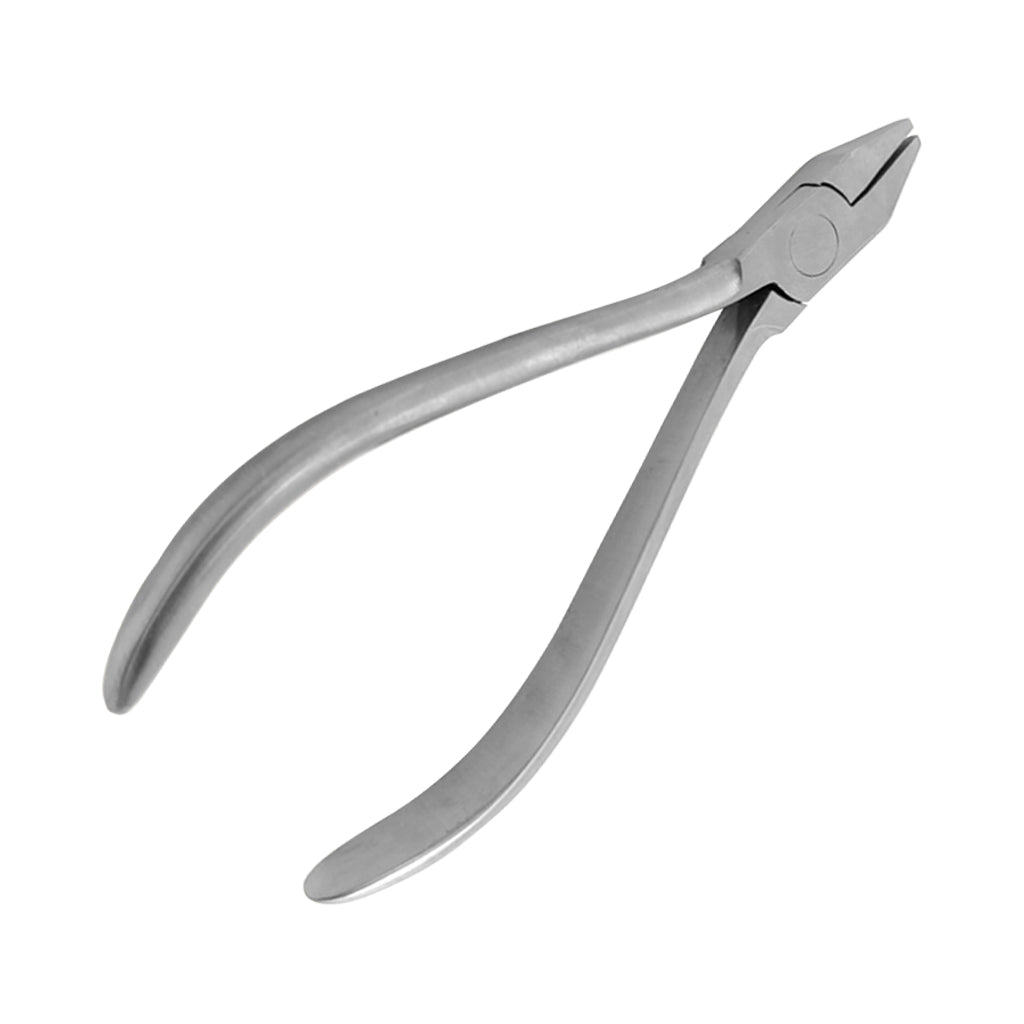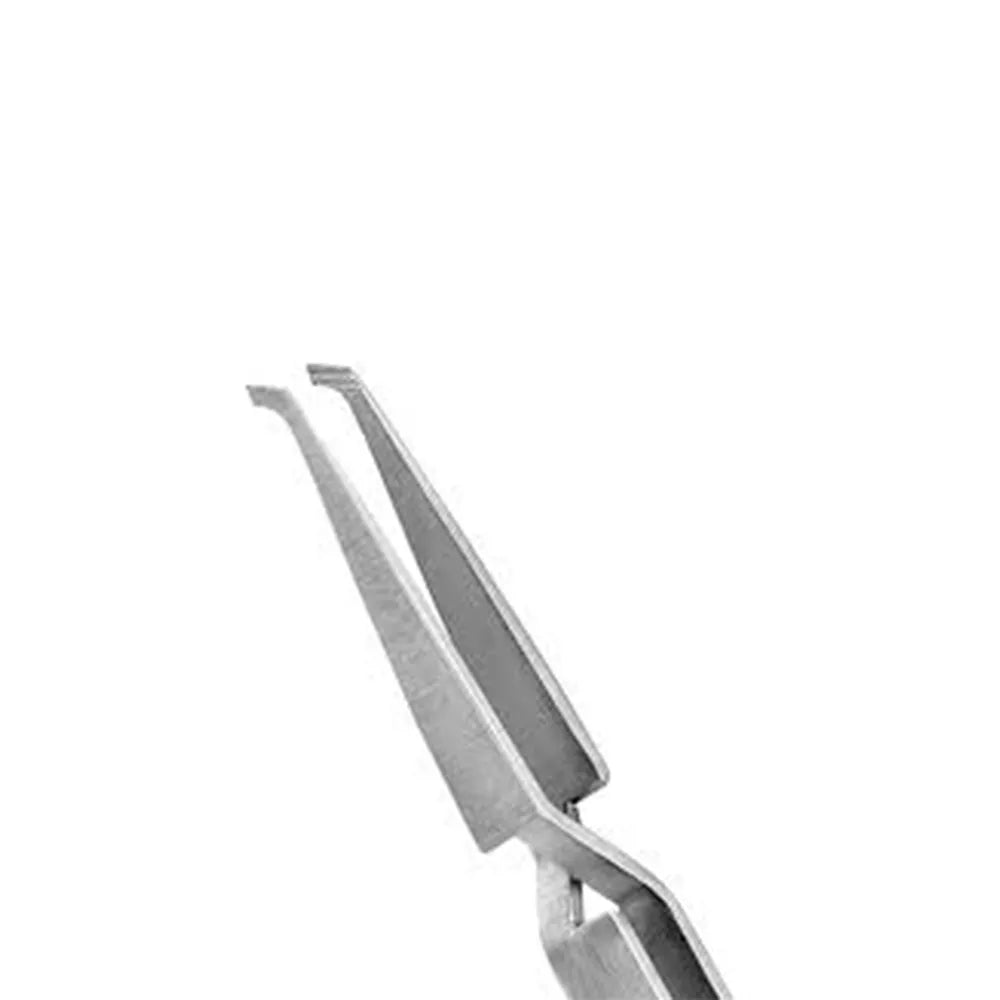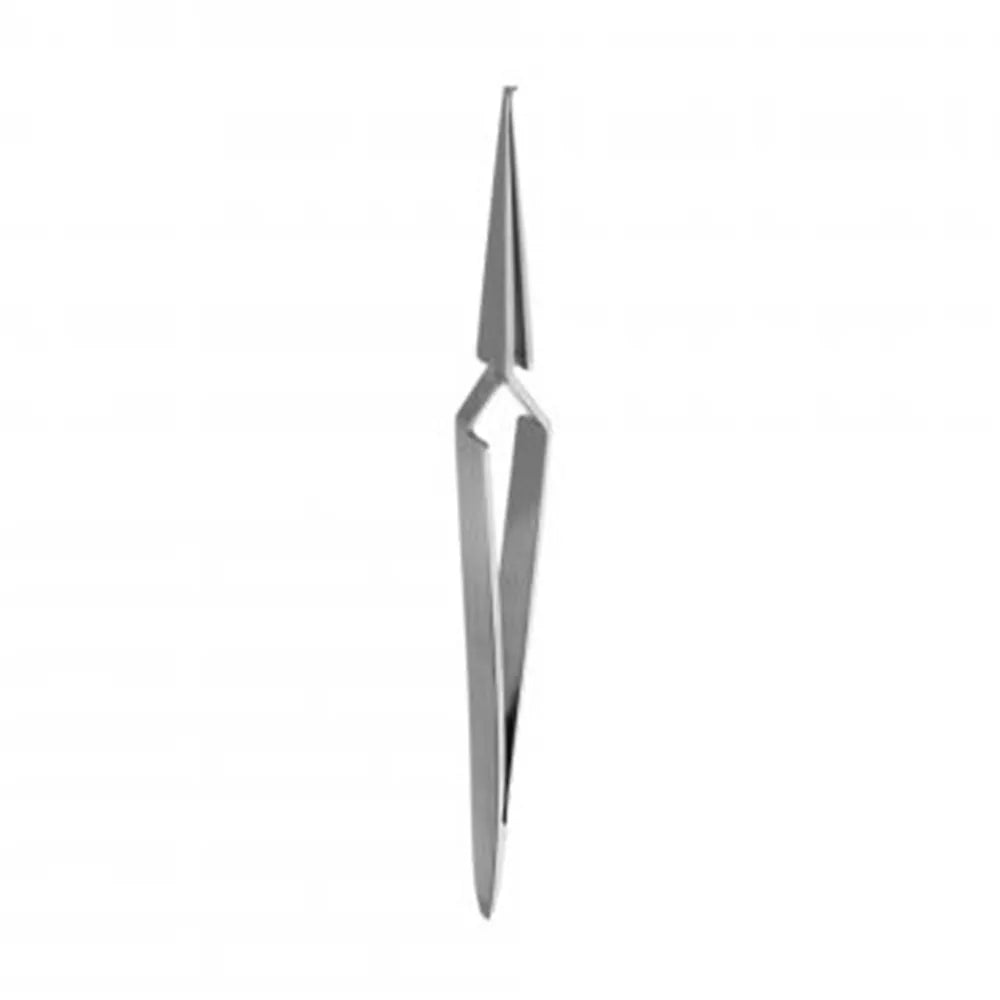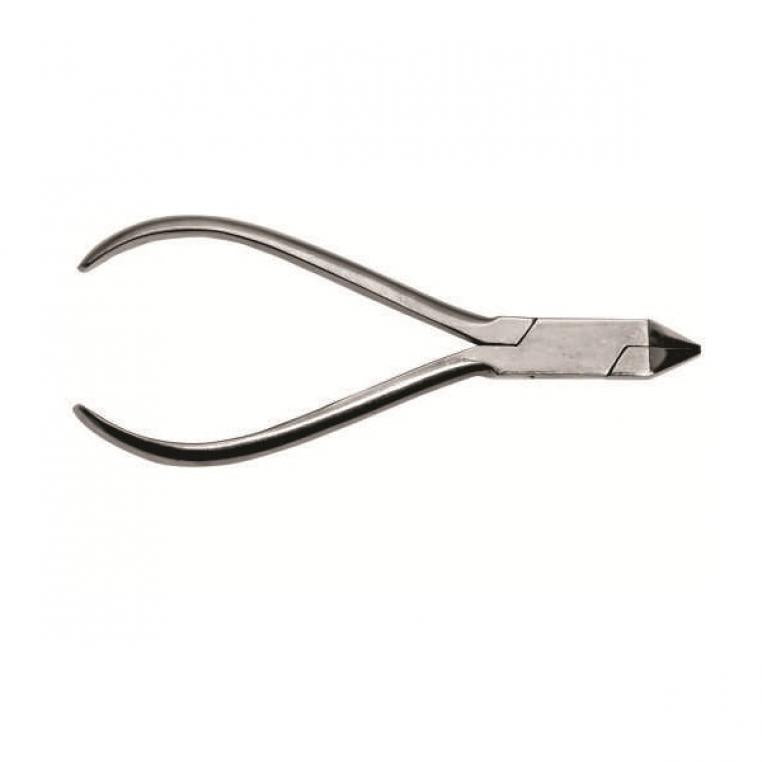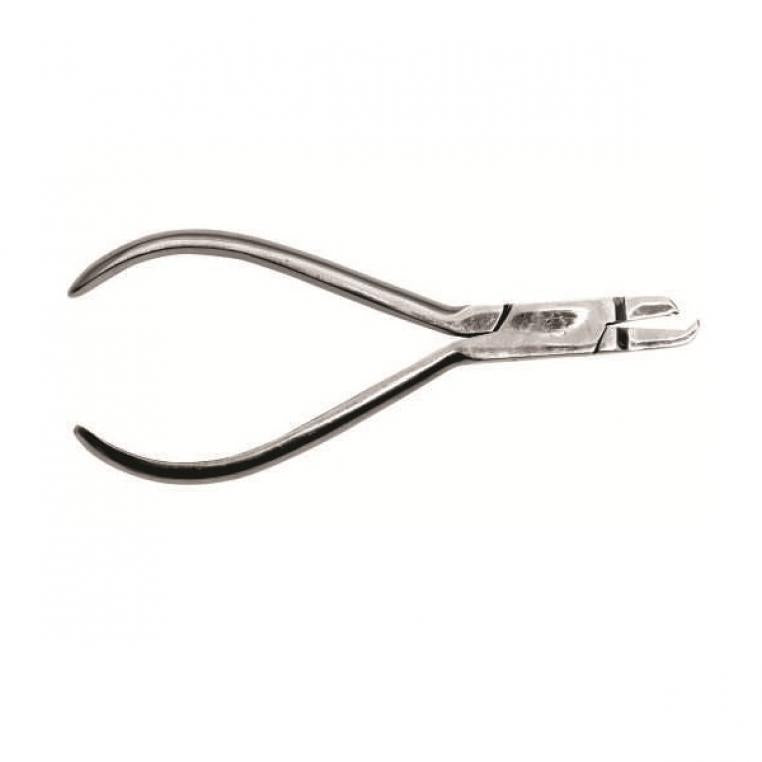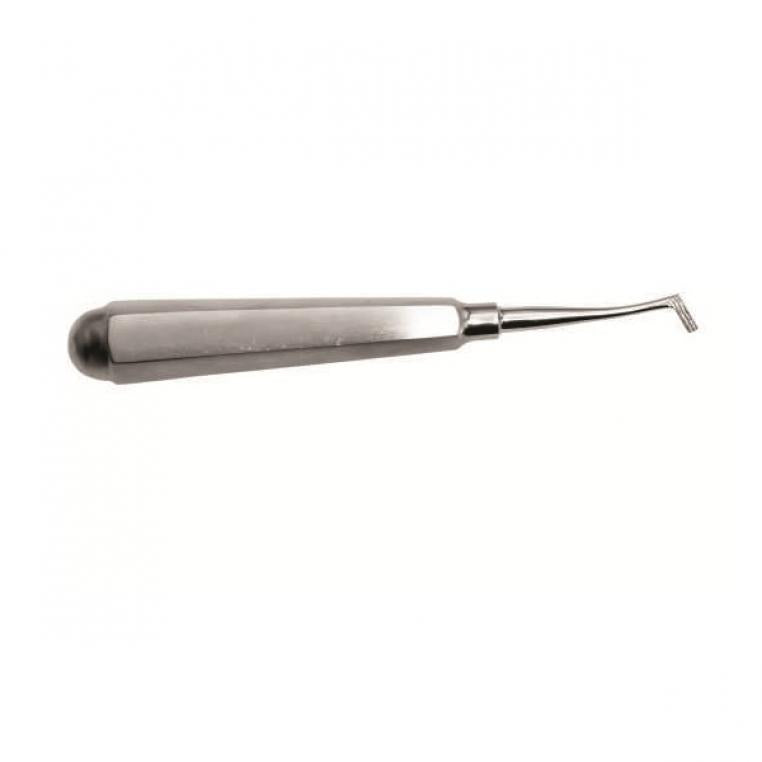

Orthodontic pliers are specialized hand instruments used in orthodontic practice to handle, bend, cut, place, and remove orthodontic wires and appliances.
They also play a vital role in placing and removing brackets and bands during dental alignment procedures.
There are many different types of orthodontic pliers, each designed for a specific purpose.
For example, wire-bending pliers are used to bend round and rectangular wires and create loops, while bird beak pliers and other specialized instruments help contour bands and adapt wires to the shape of the teeth.
For beginners entering the dental field, it is common to feel confused about the variety of orthodontic pliers and their specific uses.
Understanding which pliers are essential and when to use them can be challenging in the early stages of dental practice.
As a trusted dental equipment supplier in India, we aim to simplify this learning process.
In this guide, we explain the essential orthodontic pliers for beginners, and it helps you understand what you truly need during the initial days of your dental practice.
This will save you time, reduce confusion, and help you invest wisely.
Let’s begin.
Why Beginners Get Confused About Orthodontic Pliers
Beginners in orthodontics often feel confused about orthodontic pliers due to the overwhelming variety and their similar appearance.
Many pliers, especially those used for wire bending, look almost identical to an untrained eye.
In addition, beginners often find it difficult to identify different materials, such as nickel-titanium (NiTi) versus stainless steel wires, and to understand subtle design variations like concave, round, or flat tips.
Learning how to properly hold a plier, apply the correct amount of force, and recognize quality differences adds another layer of challenge.
In addition to that, the market is also flooded with low-quality imitation pliers that fail to grip wires properly, develop loose hinge joints, and ultimately create a frustrating and steep learning curve for new practitioners.
As a result, many beginners in orthodontics end up feeling overwhelmed and confused, especially when they purchase instruments without fully understanding the purpose of each plier.
This often leads to unnecessary expenses and wasted investment.
So, as a beginner in orthodontics, which pliers do you actually need for your dental practice? If you’re unsure, don’t worry; we’re here to guide you.
How Many Orthodontic Pliers Do You Really Need?
For a beginner in orthodontics, you only need about five to six essential pliers to handle most routine fixed-appliance orthodontic procedures. These basic instruments allow you to insert wires, bend and adjust archwires, cut excess wire, and place or remove orthodontic appliances with confidence.
Although the orthodontic instrument range includes many specialized pliers, beginners do not need all of them at the start.
A small, well-chosen starter kit that focuses on versatility is more than enough for day-to-day clinical work.
Dental students and newly practicing doctors should begin with these 5 -6 essential orthodontic pliers, as they cover the majority of standard cases.
Not every orthodontic case requires advanced or highly specialized instruments.
As your skills improve and your clinical experience grows, you can gradually add more specialized pliers to your practice.
Starting small helps you save money, reduce confusion, and build confidence in your early orthodontic journey.
Essential Orthodontic Pliers (Beginner List)
|
Plier Name |
Primary Use |
Key Features |
When It’s Used |
Skill Level |
|
Holds and places archwires |
Long, angled tips with good grip |
During wire insertion and removal |
Beginner |
|
|
Bends and shapes wires |
One round tip and one flat tip |
While forming loops and adjusting wires |
Beginner |
|
|
Cuts excess wire at the back |
The safety hold prevents the wire from flying |
After placing archwires |
Beginner |
|
|
Places ligatures and elastics |
Spring-loaded with a locking handle |
During the ligation of brackets |
Beginner |
|
|
Utility Plier |
Adjusts and bends thicker wires |
Strong jaws and a firm grip |
While contouring wires and bands |
Beginner |
|
Cuts ligature wires cleanly |
Sharp cutting edges |
When removing ligatures |
Beginner |
|
|
Places and removes archwires |
Fine, narrow tips |
During detailed wire handling |
Intermediate |
|
|
Three-Prong Plier |
Adjusts and fits bands |
Three prongs for stability |
During band adaptation |
Intermediate |
|
Bracket Holding Plier |
Holds brackets securely |
Anti-slip tip design |
While placing brackets |
Beginner |
|
Debonding Plier |
Removes brackets safely |
Wide tips for controlled pressure |
At the end of treatment |
Beginner |
Common Plier Confusions (Quick Comparisons)
Bird Beak Plier vs How Plier

-
Bird Beak Plier: Orthodontists use it for simple wire bends. It is easy to handle and ideal for beginners.
-
How Plier: Orthodontists use it to form loops and make detailed wire adjustments. It is more suitable once you gain experience.
Distal End Cutter vs Ligature Cutter

-
Distal End Cutter: Orthodontists use it to cut thick archwires at the distal end. It safely holds the cut wire to prevent injury.
-
Ligature Cutter: Orthodontists use it only to cut thin ligature wires. It is not suitable for cutting archwires.
Weingart Plier vs Utility Plier

-
Weingart Plier: Orthodontists use it to hold, place, and remove archwires. It provides good control during wire insertion.
-
Utility Plier: Orthodontists use it to bend and adjust thicker wires and bands. It applies a stronger force for heavier work.
What Beginners Should Look for When Buying Pliers
When beginners buy orthodontic pliers, they should focus on quality, comfort, and accuracy rather than quantity.
These instruments play a key role in wire bending, wire placement, and bracket handling, so strong and reliable tools make daily work easier and more precise.
Beginners should choose pliers made from high-grade stainless steel, as this material resists rust, lasts longer, and tolerates repeated sterilization.
Cutting pliers should include tungsten carbide inserts, which keep the cutting edges sharp even when working with hard wires.
Forged pliers are a better choice than cast ones because they offer greater strength and durability.
Comfort matters just as much as build quality.
Pliers with ergonomic, non-slip handles reduce hand strain during long procedures, while a balanced weight improves control and reduces fatigue.
The tips of the pliers should meet accurately to hold wires and brackets securely.
Serrated jaws help prevent slipping, and safety features such as a wire-holding mechanism in distal end cutters protect both the patient and the clinician.
Instead of buying many specialized instruments, beginners should start with a small, versatile starter kit.
This includes Weingart pliers for placing and removing archwires, Bird Beak pliers for bending and shaping wires, distal end cutters for trimming excess wire, ligature cutters for fine ligature wires, and Howe pliers for general wire handling.
All orthodontic pliers must be fully autoclavable to meet hygiene standards. So, choose from a trusted brand that offers a warranty and ensures long-term value.
Always remember, starting with the right pliers helps beginners work confidently, avoid unnecessary expenses, and build skills gradually as their practice grows.
Also Read: Must-Have Dental Instruments Every Clinic Needs: The Complete Lists
Common Mistakes Students & New Orthodontists Make
Many students and new Orthodontists make avoidable mistakes when buying and using orthodontic pliers.
One common mistake is buying too many pliers at once. Beginners often feel pressured to purchase a full instrument set, even though they only need a few basic pliers in the early stages. This leads to unnecessary spending and confusion.
Another mistake is using one pair of pliers for multiple incorrect tasks. Each orthodontic plier has a specific purpose, and using the wrong one can damage wires, brackets, or even the plier itself. Learning the correct use of each instrument improves efficiency and clinical results.
Many beginners also ignore ergonomics. Pliers with poor grip or imbalance can cause hand strain and fatigue, especially during long procedures. Comfortable, well-designed pliers help maintain control and reduce stress on the hands.
Finally, beginners often choose price over durability. Cheap, low-quality pliers may seem attractive, but they wear out quickly, lose accuracy, and increase frustration. Investing in durable, high-quality pliers saves money in the long run and supports better clinical work.
Also Read: How to Clean Dental Tools and Keep Them Safe
Explore Essential Orthodontic Pliers from KCK
There are many types of orthodontic pliers available in the market, so choosing the right one that meets your needs is very important. The right tools improve accuracy, comfort, and long-term performance.
If you are looking for trusted orthodontic pliers, choose KCK. We offer not only high-quality pliers but also a complete range of dental instruments suitable for beginners, new Orthodontists, experienced professionals, and dental clinics.
We deliver directly to your doorstep, so you don’t need to search or compare multiple suppliers. Our dedicated customer support team helps you choose the right instruments. It avoids confusion and ensures durability and long service life.
Get in touch with KCK today to buy reliable orthodontic pliers in India and equip your dental practice with confidence.
FAQ
-
How Many Orthodontic Pliers Does a Beginner Orthodontist Need?
A beginner Orthodontist needs 5 to 7 essential orthodontic pliers to start clinical practice. These basic pliers help with wire bending, holding, cutting, and adjustments. Buying only essential orthodontic pliers prevents confusion and reduces cost for beginners.
-
Which Plier Should Be Used for Thick Orthodontic Wires?
Orthodontists use hard-wire cutters or heavy-wire cutters for thick orthodontic wires. These pliers cut strong wires safely and protect the instrument from damage.
-
Which Orthodontic Plier Is Used Most Often?
The utility plier is the most commonly used orthodontic plier. Orthodontists use it daily for holding, bending, and placing orthodontic wires during routine treatments.
-
Can Dental Students Use Orthodontic Pliers in Clinics?
Yes, dental students can use orthodontic pliers in clinics under proper supervision. Clinical practice helps students improve skills and learn the correct handling of orthodontic instruments.
-
What Is the Difference Between Utility Pliers and Bird Beak Pliers?
Utility pliers handle general orthodontic work like holding and simple bends.
Bird beak pliers create precise bends, loops, and fine adjustments. Orthodontists use bird beak pliers for detailed wire shaping.
-
Do Orthodontic Pliers Wear Out Over Time?
Yes, orthodontic pliers wear out with regular use. Cutting hard wires and improper cleaning reduce grip and sharpness. Proper care and correct usage increase durability and lifespan.
-
Which Pliers Are Used for Bending Orthodontic Wires?
Orthodontists use bird beak pliers, utility pliers, and loop-forming pliers to bend orthodontic wires. Each plier helps create specific wire shapes and adjustments.
Also Read: An Ultimate Guide on Orthodontic Wires
-
What are the basic orthodontic pliers needed for a new clinic?
For starting a new dental clinic, basic orthodontic pliers include bird beak pliers, distal end cutters, ligature cutters, Weingart pliers, Mathieu pliers, and band removing pliers. These instruments help in wire bending, cutting, bracket placement, and routine orthodontic procedures.