
Braces are made up of several small components that work together to move teeth into the correct position. While brackets and wires are the most visible parts, there are other important elements that play a key role in the treatment process.
One such component is the buccal tube. It is placed on the back teeth and helps support the overall movement and alignment of teeth during orthodontic treatment.
Understanding how buccal tubes work can help patients, dental students, and practitioners better appreciate their importance in braces. If you are looking to understand buccal tubes, this guide will help you. It explains what buccal tubes are, why they are used in braces, the different types available, and their uses.
All the information is provided with insights from experienced dentists.
What is Buccal Tubes in Orthodontics?
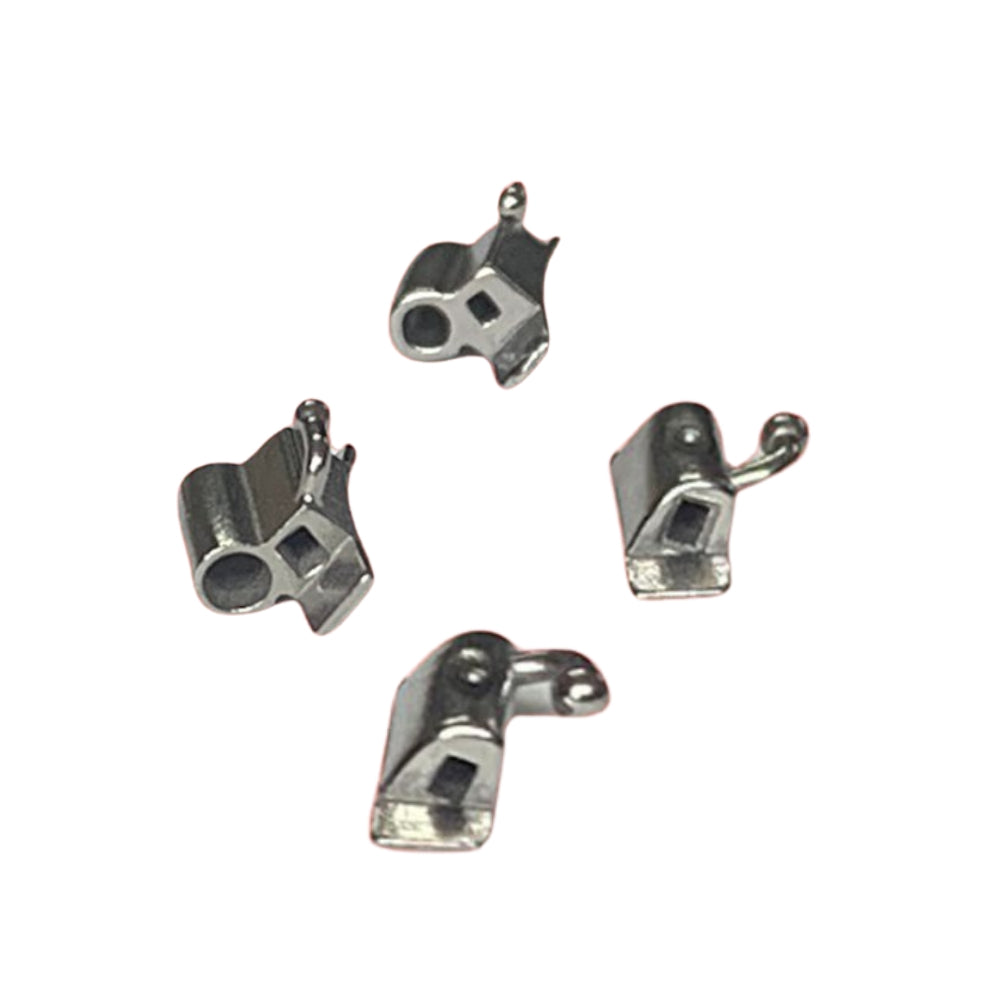
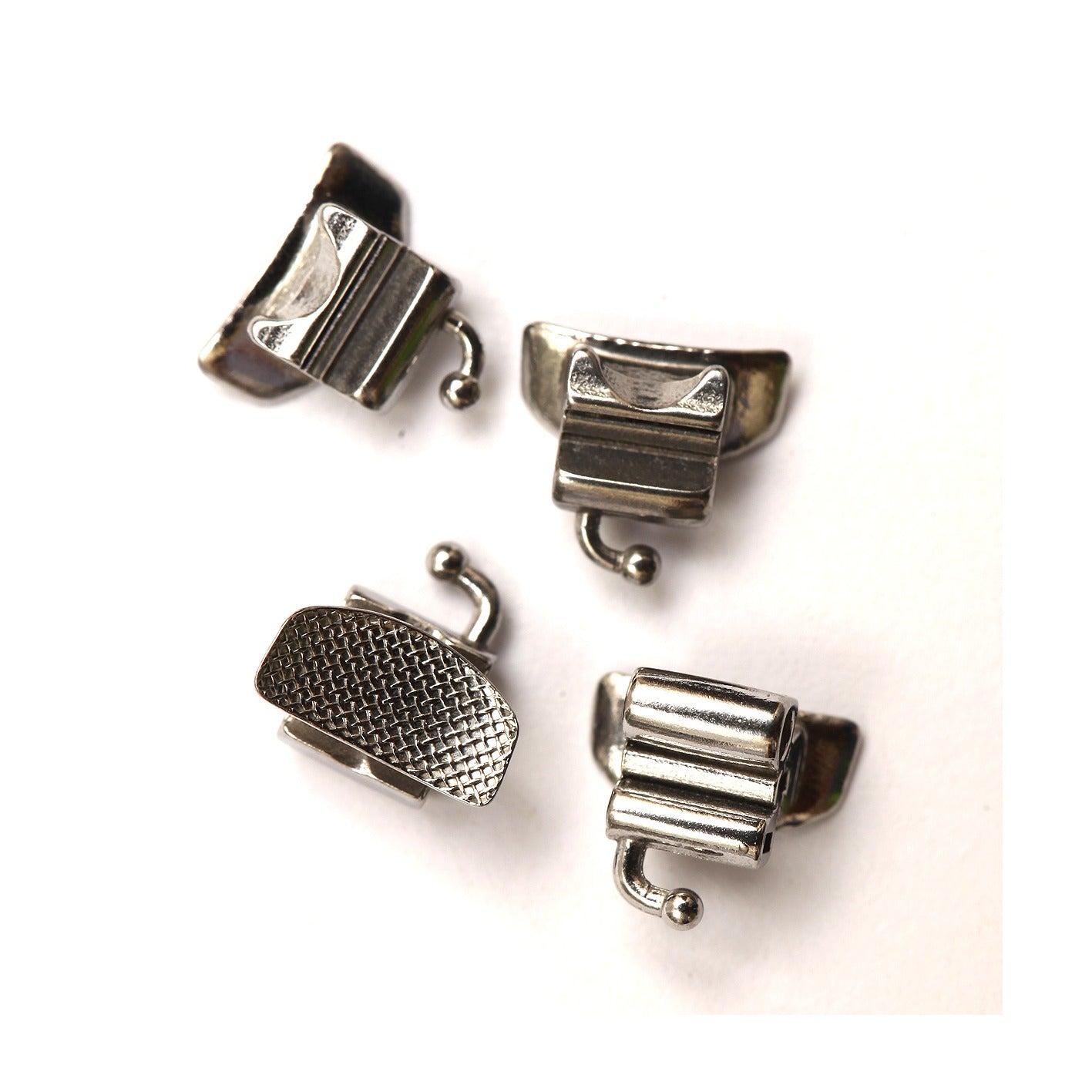
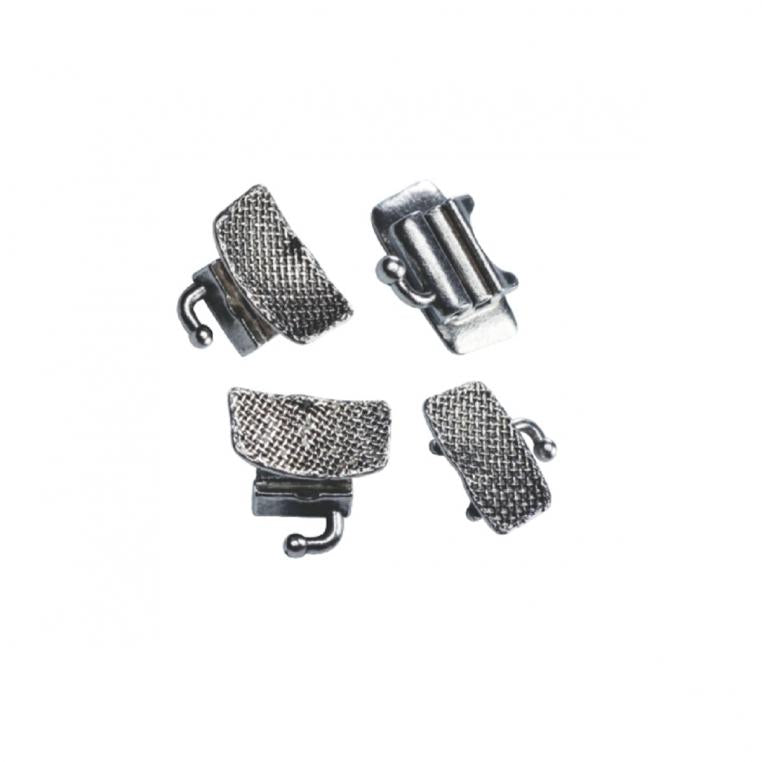
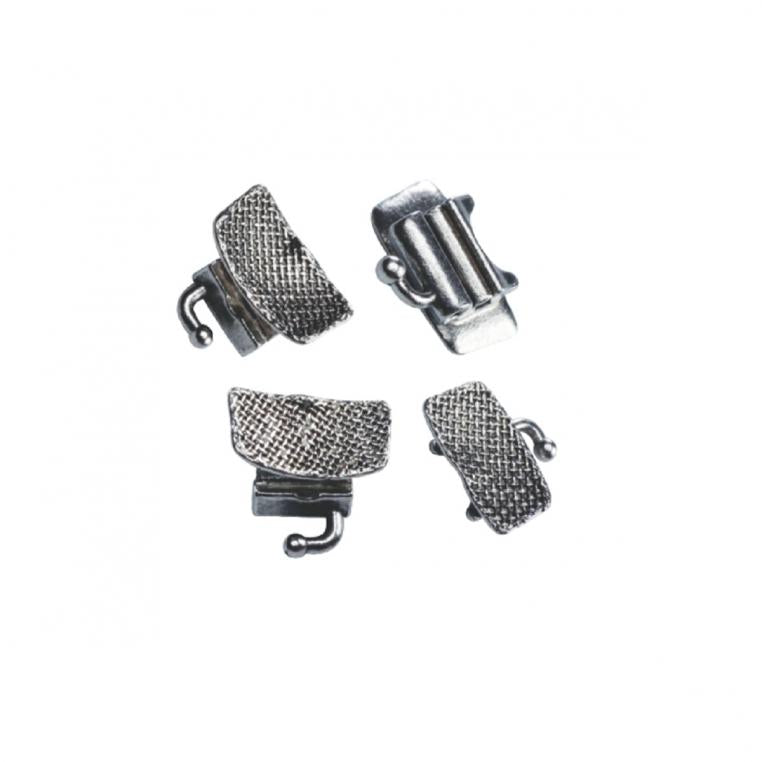
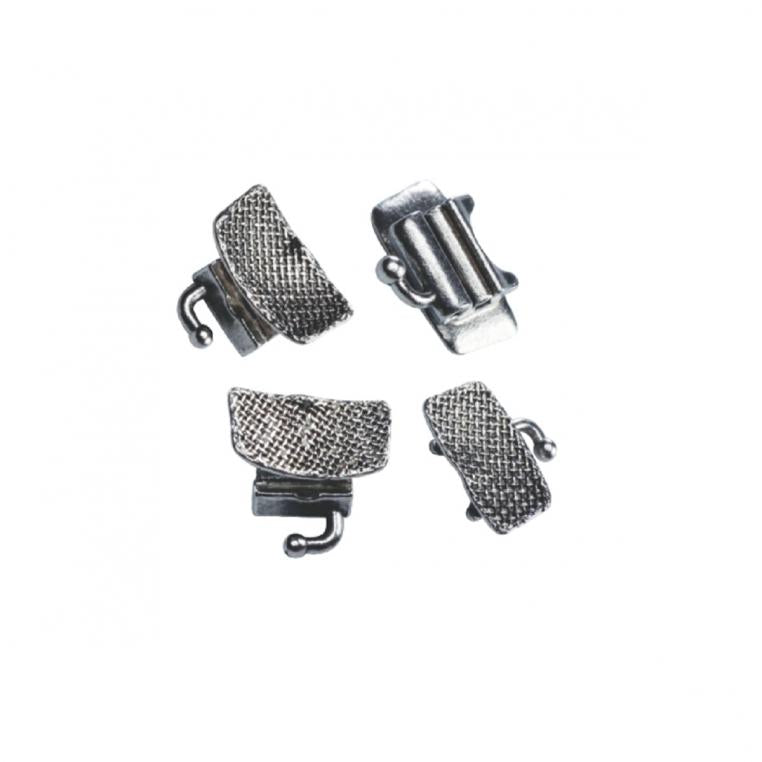
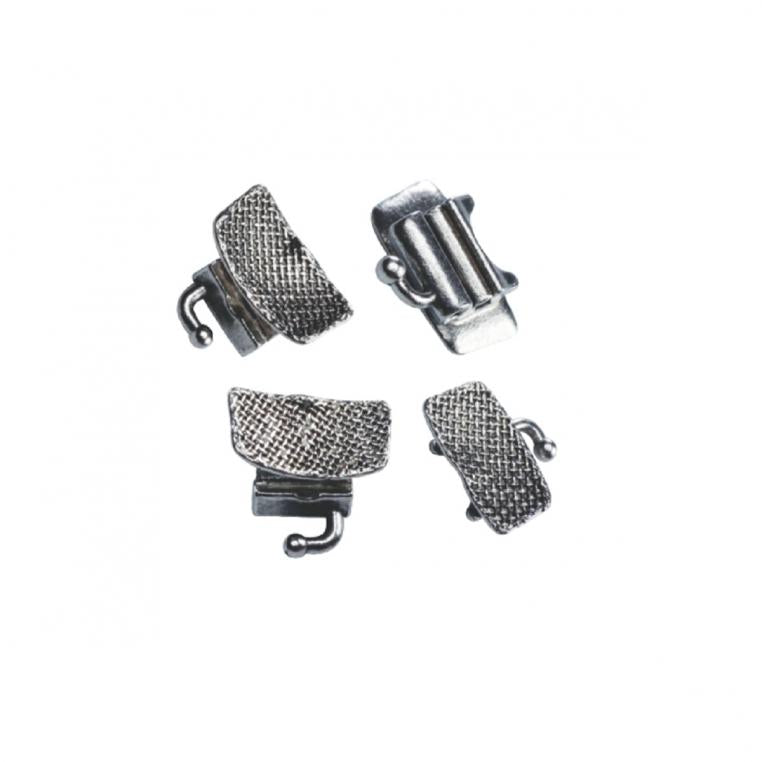
A buccal tube is a small metal component that is bonded or welded onto the back molar teeth during orthodontic treatment.
It acts as a crucial anchor for braces. It holds the end of the archwire and helps apply consistent pressure to align the teeth.
Many buccal tubes also feature hooks to attach rubber bands (inter-arch elastics), which help correct bite issues.
These tubes are designed to be smooth and low-profile, which helps reduce irritation against the cheeks compared to traditional brackets.

Types of Buccal Tubes
|
Type |
Description |
Best Use Case |
|
Single Buccal Tube |
Has one slot to hold the main archwire. Simple design. |
Used in basic orthodontic cases where no extra appliances are needed. |
|
Double Buccal Tube |
Has two slots. One for the archwire and one for an extra wire or appliance. |
Used when additional support or appliances like headgear are required. |
|
Triple Buccal Tube |
Has three slots for multiple wires or appliances. |
Used in complex cases that need more control and multiple orthodontic tools. |
|
Convertible Buccal Tube |
Has a cap that can be removed to convert it into a bracket. |
Used when switching from heavy to lighter treatment stages for more flexibility. |
Why Are Buccal Tubes Used in Braces?
-
Accuracy and stability
Molars have strong and deep roots, so they provide a stable base for braces. Buccal tubes hold the end of the archwire firmly and prevent it from popping out. This helps control tooth movement more accurately. -
Better control of molars
Buccal tubes help guide molars into the correct position. They give better control over rotation and torque compared to standard brackets. -
Attachment for auxiliaries
Many buccal tubes have hooks to attach elastic bands (rubber bands). These elastics help correct bite problems. Some buccal tubes are double tubes, which allow the use of extra appliances like headgear. -
Improved patient comfort
Buccal tubes are usually smaller and smoother than molar bands or brackets. This reduces irritation on the inside of the cheeks. -
Smooth wire movement
Buccal tubes reduce friction, and it allows the archwire to slide more smoothly. This helps achieve better and more efficient alignment.
5 Key Features of Buccal Tubes
-
Smooth design for comfort
Buccal tubes have a smooth and rounded shape. This helps reduce rubbing and irritation on the inside of the cheeks, making them more comfortable for daily wear. -
Strong bonding base
Dentists bond buccal tubes firmly to the tooth surface. The strong base keeps them secure throughout the treatment and prevents them from coming loose. -
Precision slot for archwire
Each buccal tube has a well-shaped slot that holds the archwire in place. This allows the wire to apply steady and accurate pressure for proper tooth movement. -
Hooks for elastics
Many buccal tubes include small hooks. Dentists use these hooks to attach elastic bands, which help correct bite alignment. -
Durable metal material
Buccal tubes are usually made from strong metal. This makes them resistant to wear and able to handle the pressure applied during orthodontic treatment.
Buccal Tube & Molar Band: An Overview
Molar bands and buccal tubes are both used on back molars to support braces and guide tooth movement, but they work differently.
Molar bands are metal rings that fit around the whole tooth. They provide very strong and secure support, so dentists use them in complex cases.
Buccal tubes are small metal parts that dentists bond directly onto the tooth surface. They are more comfortable and less visible, but they do not offer as much strength as molar bands.
Here is the detailed difference between buccal tubes and molar bands.
Buccal Tube vs. Molar Band: Comparison Table

10 Benefits of Buccal Tubes in Orthodontics
|
Benefit |
Explanation |
|
Better Comfort |
Buccal tubes have a smooth and compact design, which reduces irritation to the cheeks and improves patient comfort. |
|
Easier Cleaning |
Their simple structure makes it easier to brush around them, helping maintain better oral hygiene during treatment. |
|
Efficient Treatment |
They hold the archwire securely and support controlled and effective tooth movement. |
|
Versatile Use |
Buccal tubes can be used with elastics and other orthodontic appliances for different treatment needs. |
|
Less Bulky |
They are smaller than molar bands, making them feel lighter and more comfortable in the mouth. |
|
Better Aesthetics |
Their compact size makes them less noticeable, improving the overall appearance of braces. |
|
Reduced Chair Time |
Bonding buccal tubes is quicker, which helps reduce overall chairside time during appointments. |
|
Good Durability |
Made from strong metal, they can withstand forces applied during orthodontic treatment. |
|
Smooth Wire Movement |
They allow the archwire to move more freely, supporting smoother alignment and better treatment efficiency. |
|
Easy Replacement |
Can be quickly rebonded if needed. |
When Do Orthodontists Use Buccal Tubes?
Orthodontists use buccal tubes on the back molars (first or second) as strong and smooth anchor points during braces treatment. They help guide the archwire and allow the use of extra appliances like elastics. Dentists mainly use them in fixed braces to treat crowding, rotate molars, and correct bite problems such as overbite.
5 Key scenarios and reasons for use:
-
Molar anchorage
Molars have strong roots, so they provide a solid base. Buccal tubes on these teeth help support the movement of other teeth. -
Archwire guidance
Buccal tubes hold the end of the archwire firmly. This keeps the wire in place and helps apply steady pressure for tooth movement. -
Bite correction (elastics)
Many buccal tubes have small hooks. Dentists use these hooks to attach rubber bands, which help correct jaw and bite alignment. -
Patient comfort
Buccal tubes are smoother and less bulky than brackets on back teeth. This reduces irritation inside the cheeks. -
Complex treatments
Buccal tubes support the use of extra appliances like headgear and help manage difficult tooth movements, especially in molars.
Are Buccal Tubes Comfortable?
Yes, buccal tubes are usually more comfortable than traditional molar bands. They have a small, smooth, and low-profile design, which reduces irritation to the cheeks and gums. Like other braces, they may cause some soreness at the beginning, but overall, they feel less bulky, are easier to clean, and provide better comfort.
Key comfort features of buccal tubes:
-
Reduced irritation
Buccal tubes are small and dentists bond them directly to the tooth. They do not wrap around the tooth, so they cause less rubbing against the cheeks. -
Low-profile design
Modern buccal tubes are very flat. This helps them sit comfortably and reduces discomfort inside the mouth. -
Smooth and rounded surface
Manufacturers design them with smooth edges. This reduces friction and helps prevent sore spots. -
Improved hygiene
Patients can clean around buccal tubes more easily than molar bands. This helps keep gums healthy and reduces inflammation.
Choosing the Right Buccal Tube for Better Results
Buccal tubes play a key role in ensuring stable anchorage and controlled tooth movement during orthodontic treatment. Choosing a well-designed, high-quality buccal tube improves fit, comfort, and overall treatment efficiency.
Good retention design helps keep the tube stable throughout treatment and improves patient comfort. It also supports more accurate and predictable orthodontic results.
KCK offers reliable buccal tubes from brands like KODEN. We not only provide KODEN, but also other trusted orthodontic brands. We focus on quality products, so you can buy with confidence.
We also ensure secure payment and doorstep delivery for a smooth and safe purchasing experience.
FAQs
-
What is the purpose of a buccal tube in braces?
A buccal tube is used as a strong anchor point on the back molar teeth. It holds the archwire securely in place and helps guide controlled tooth movement. It also allows orthodontists to attach elastic bands and other appliances to correct bite and alignment problems.
-
Are buccal tubes better than molar bands?
Buccal tubes are not strictly “better” than molar bands; they are simply different. Buccal tubes offer more comfort, better hygiene, and a smaller design that reduces irritation. Molar bands provide stronger anchorage and are often used in more complex orthodontic cases. The orthodontist chooses based on treatment needs.
-
Are buccal tubes suitable for all orthodontic cases?
Buccal tubes are suitable for most routine orthodontic treatments, especially fixed braces. However, they may not be ideal for every complex case where stronger full-tooth anchorage is needed. In such situations, orthodontists may prefer molar bands instead.
-
What is the difference between single, double, and triple buccal tubes?
- A single buccal tube has one slot and is used for basic archwire support.
- A double buccal tube has two slots and allows additional appliances like headgear or auxiliary wires for better control.
-
A triple buccal tube has three slots and is used in complex cases that require higher precision and multiple force systems.
-
Are buccal tubes used in all braces?
No, buccal tubes are mainly used in fixed braces on molars. Some treatments use molar bands instead, depending on the case. They are not used in clear aligner treatments because aligners work without fixed attachments like tubes.
-
What materials are buccal tubes typically made of?
Buccal tubes are usually made from stainless steel. This material is strong, durable, and able to withstand continuous orthodontic forces. It is also safe for long-term use inside the mouth.
-
What are common causes of buccal tube bond failure?
- Poor bonding technique
- Moisture or saliva contamination during placement
- Eating hard or sticky foods
-
Excessive force or trauma on the tooth
-
Why are buccal tubes preferred over molar bands in modern orthodontics?
Buccal tubes are often preferred because they are more comfortable, easier to clean, and less bulky than molar bands. They also reduce gum irritation and improve patient comfort while still providing enough strength for many orthodontic treatments. Modern bonding materials have made them more reliable than before.
-
When should a clinician choose a double or triple buccal tube?
A clinician chooses a double buccal tube when extra control is needed or when appliances like headgear must be attached. A triple buccal tube is selected in more complex orthodontic cases that require multiple force systems and higher precision in tooth movement.