
Orthodontic brackets have changed a lot over time. Early braces used metal bands and wires tied with elastics. These elastic ligatures helped hold the wire in place, but they also created extra friction.
This made tooth movement slower and less predictable. Elastic ligatures can also trap plaque and food, which makes oral hygiene harder for patients.
Over time, they lose their strength and need frequent replacement, which increases chair time and adjustments.
To solve these problems, self-ligating bracket systems were introduced.
Instead of elastic ties, these brackets use a built-in clip or door to hold the archwire. This simple design change improves how forces are delivered during treatment.
Self-ligating systems help provide smoother tooth movement because they reduce friction between the wire and the bracket.
Teeth can move more freely and with lighter forces. They also support better oral hygiene, as there are no elastic ligatures to trap plaque.
This makes it easier for patients to keep their teeth clean during treatment. In addition, these systems allow more efficient adjustments. Dentists can open and close the bracket clips quickly, which can reduce chair time and the number of visits.
In this blog, you will learn how self-ligating brackets work, the different types available, and their key features and benefits. This will help you understand why they are becoming a popular choice in modern orthodontics
What Are Self-Ligating Brackets?
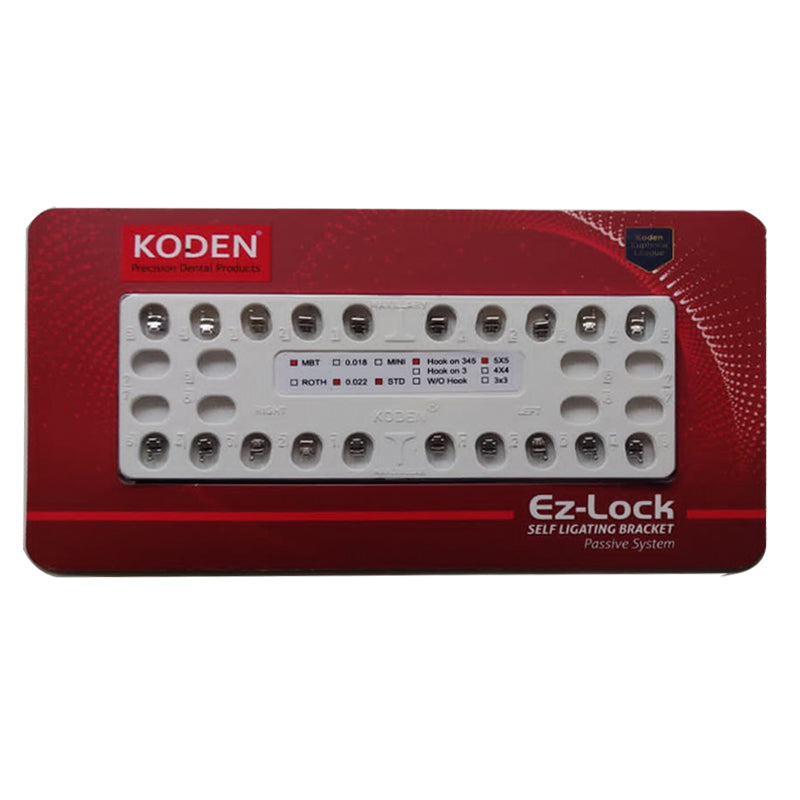
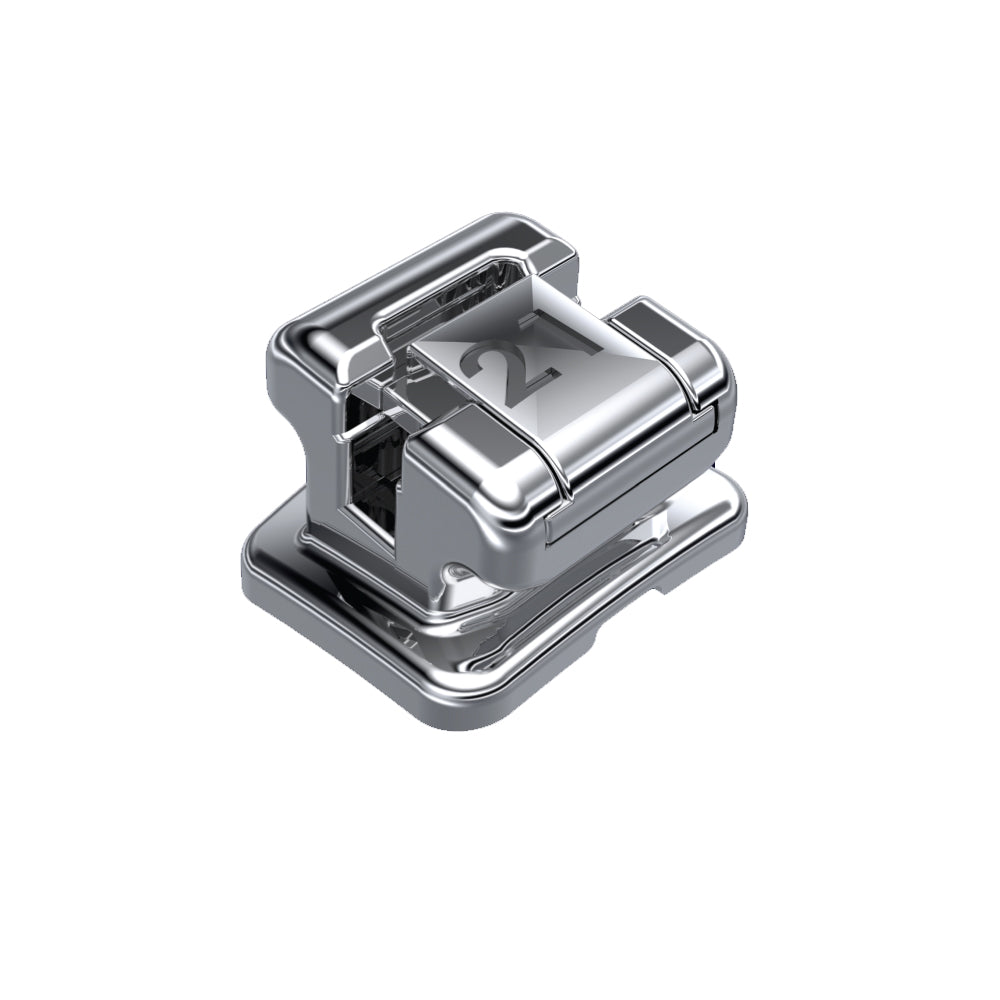
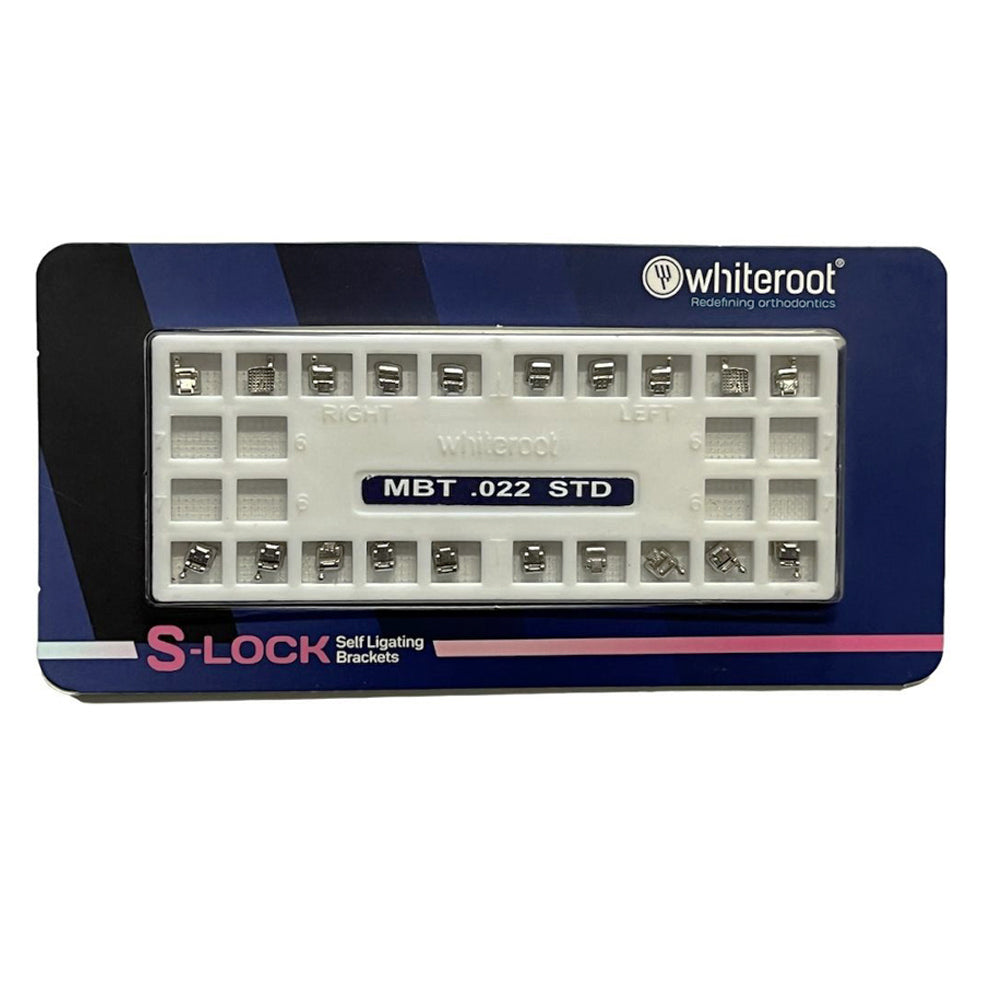
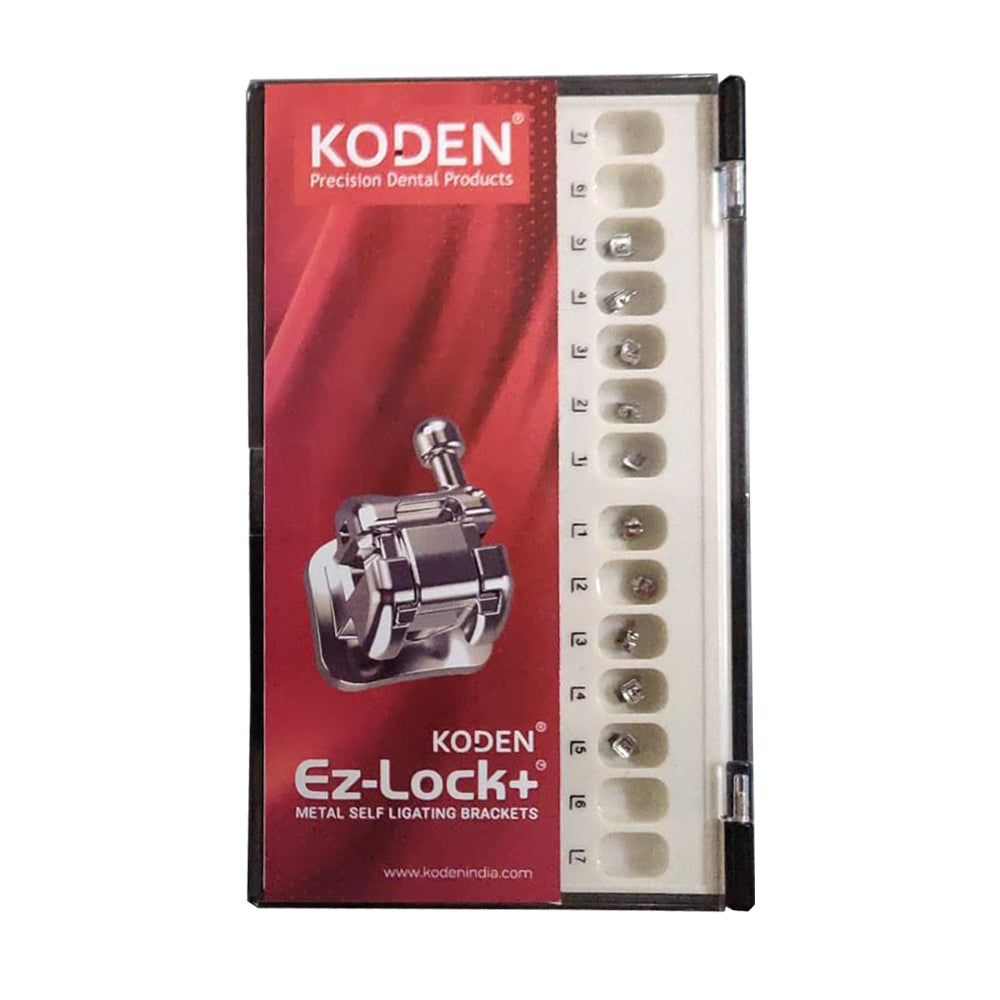
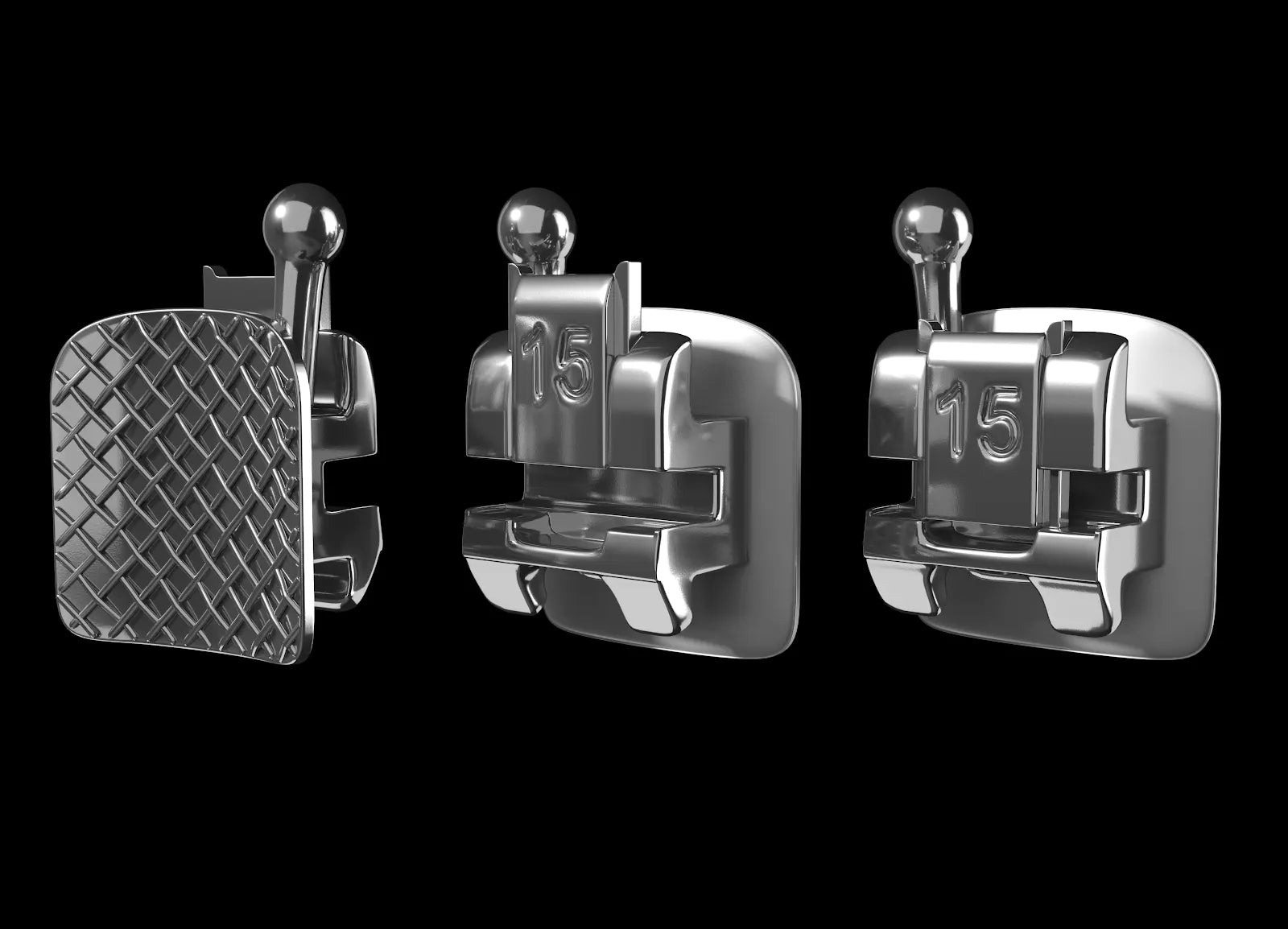
Self-ligating brackets are modern orthodontic brackets that use a small built-in clip or sliding door to hold the archwire in place.
Unlike traditional braces, they do not use elastic ties. This design reduces friction and allows the teeth to move more smoothly and freely.
Because of this, many patients experience a more comfortable treatment and may need fewer adjustment visits.
One of the main benefits of self-ligating brackets is better oral hygiene.
Since these braces do not use elastic ties, there are fewer places for plaque and food to get trapped. This makes it easier to brush and keep the teeth clean during treatment.
Another advantage is reduced friction. The built-in clip holds the wire securely while still allowing it to move easily.
Let’s look at what are the different kinds of self-ligating bracelets.
Also Read: An Ultimate Guide on Orthodontic Wires
Types of Self-Ligating Brackets
Self-ligating brackets are mainly classified based on the material used to make them. The two most common types are metal self-ligating brackets and ceramic self-ligating brackets. Each type has its own features, advantages, and limitations, which are important for dental students and clinicians to understand when planning treatment.
Metal Self-Ligating Brackets
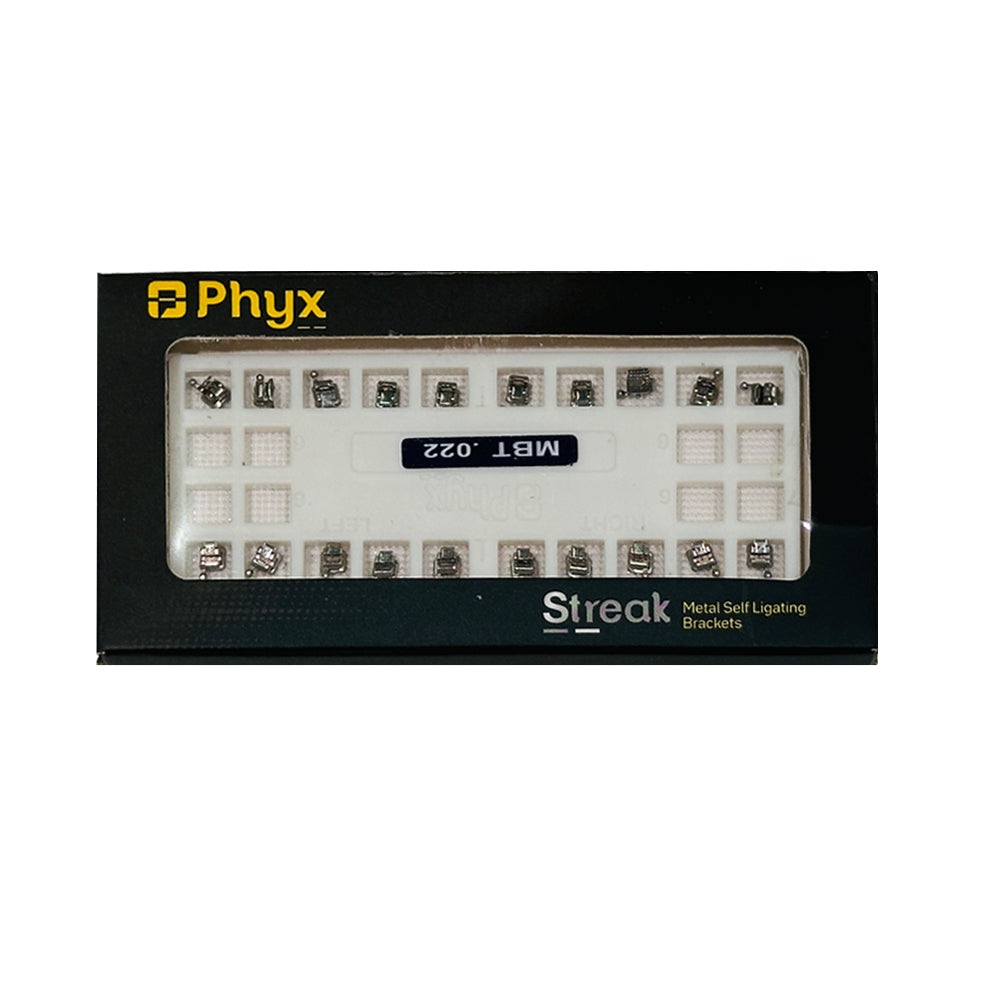
Metal self-ligating brackets are made from stainless steel and use a strong, built-in clip mechanism to hold the archwire in place. This design makes them highly durable and reliable during all stages of orthodontic treatment.
These brackets are known for their strength and long-lasting performance. They can handle higher forces, which makes them suitable for complex orthodontic cases that require significant tooth movement. Another advantage is cost-effectiveness.
Compared to other options, metal brackets are usually more affordable, which makes them a practical choice in many clinical settings.
However, the main drawback is their appearance. Metal brackets are more visible on the teeth, which may be a concern for patients who prefer a more aesthetic option.
Ceramic Self-Ligating Brackets
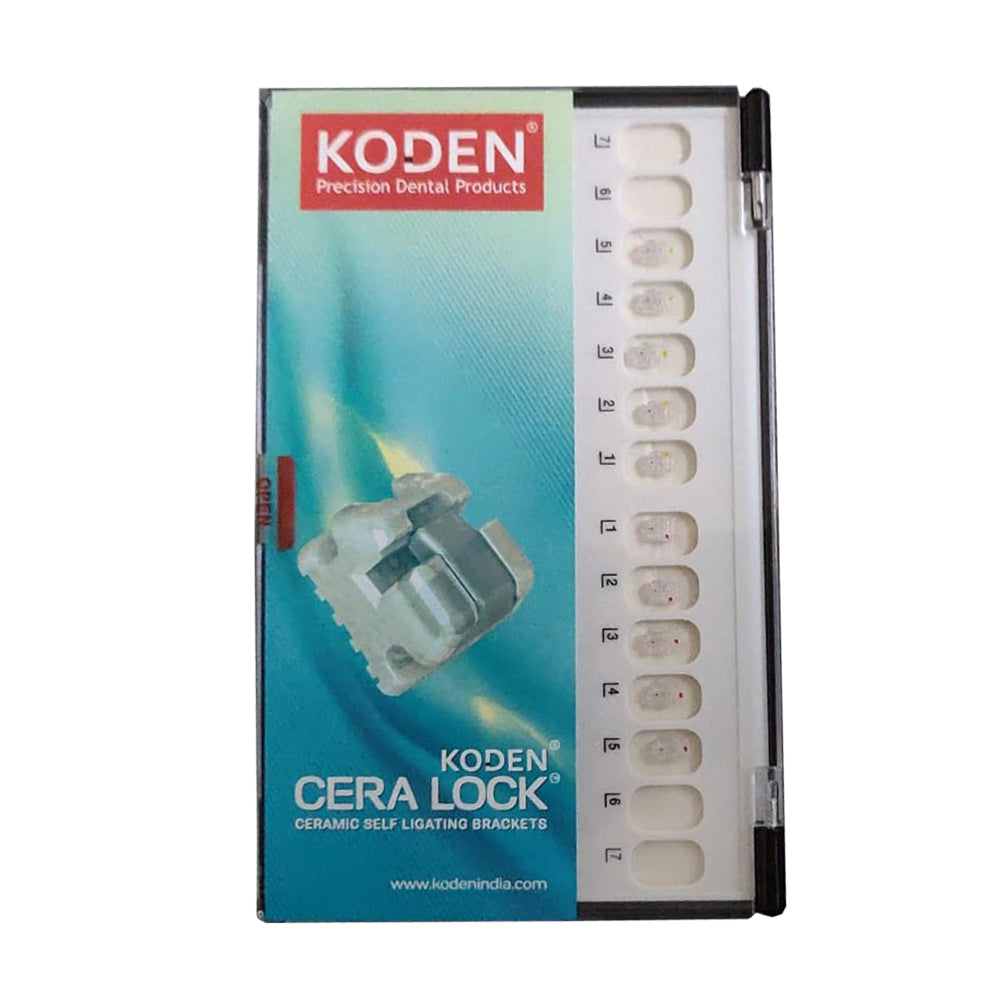
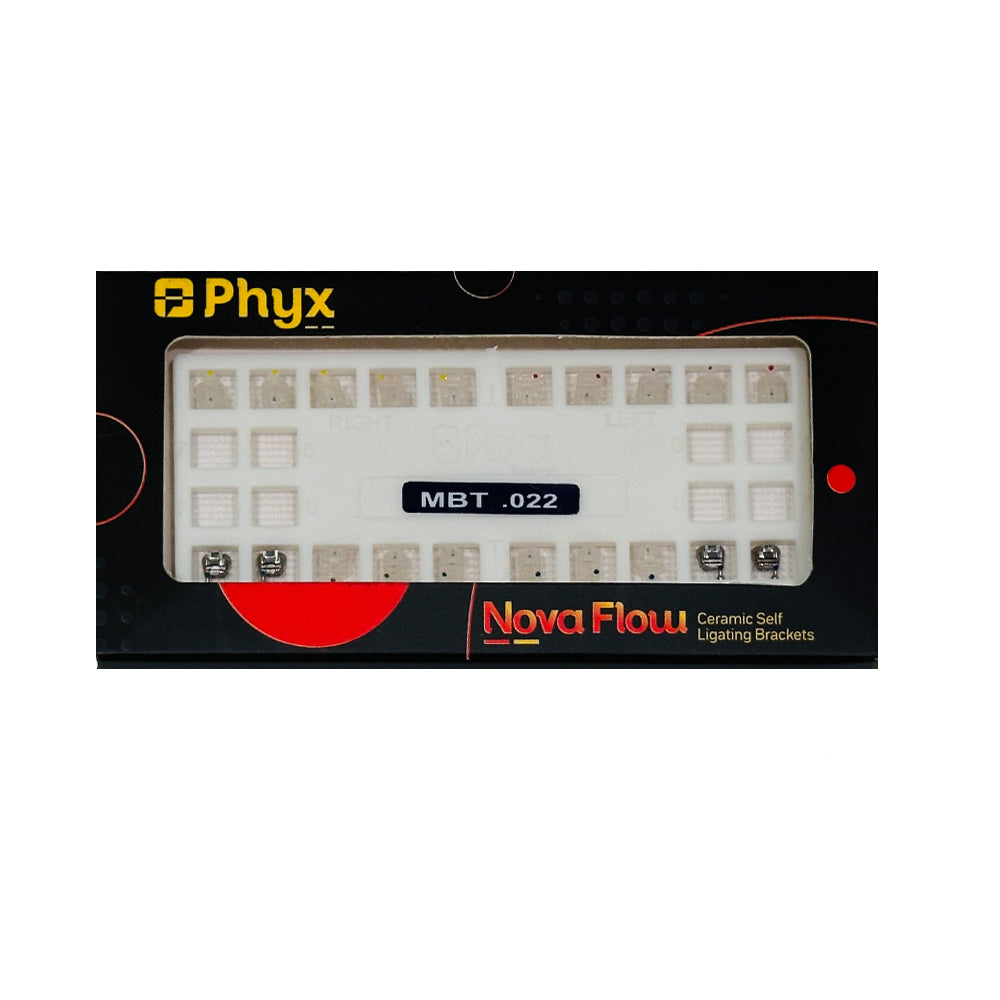
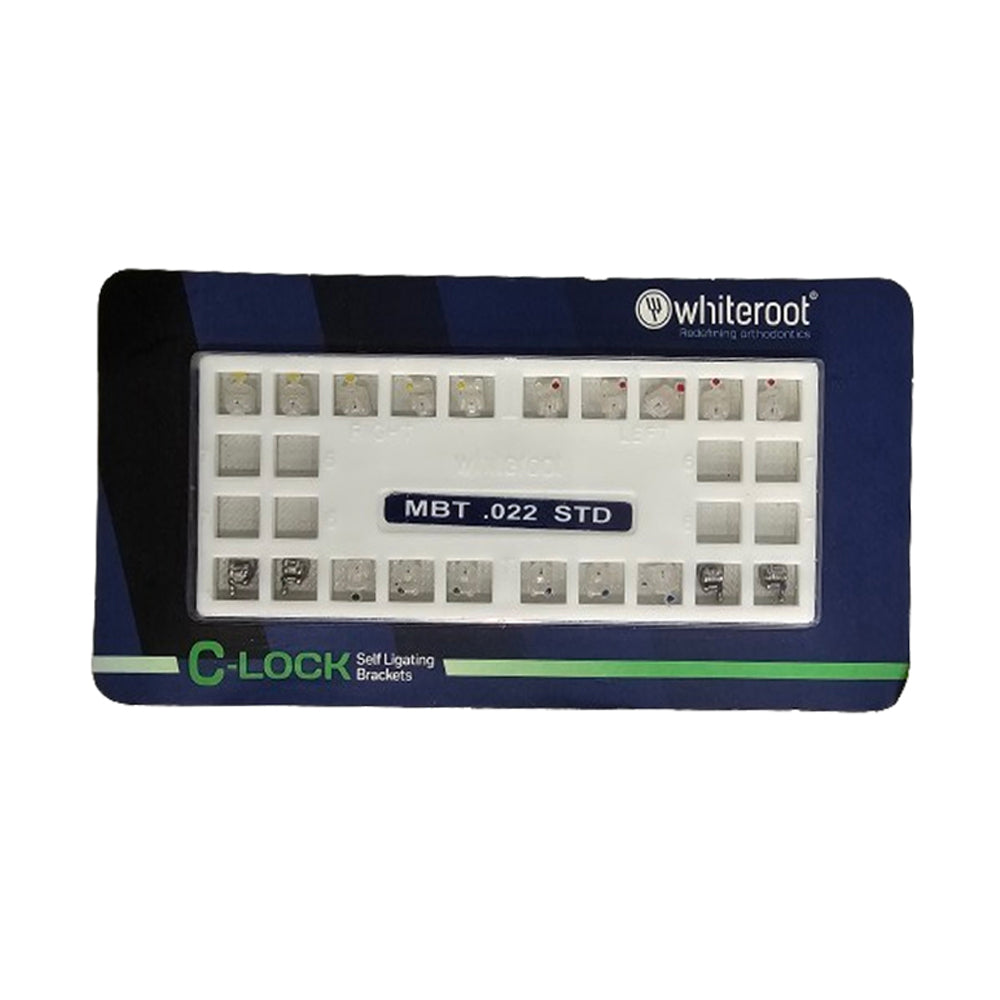
Ceramic self-ligating brackets are designed using tooth-colored materials, which helps them blend more naturally with the patient’s teeth. Their aesthetic design makes them a popular choice, especially among adult patients who want a less noticeable orthodontic treatment.
These brackets offer clear visual advantages, as they are much less visible compared to metal brackets. This makes them suitable for patients who are conscious about their appearance during treatment.
However, ceramic brackets usually come at a slightly higher cost. They may also be less durable than metal brackets, especially in cases that involve heavy forces or complex movements. Because of this, clinicians need to carefully select cases where ceramic self-ligating brackets will perform effectively.
Understanding the difference between ceramic and metal bracket options will help you make an informed decision.
Metal vs Ceramic Self-Ligating Brackets (Comparison Table)
Understanding the differences between metal and ceramic self-ligating brackets helps you choose the right option for each case. Here is a simple comparison based on key clinical and patient-focused factors:

Benefits of Self-Ligating Brackets
Self-ligating brackets offer several clinical and patient-centered advantages. Their design improves treatment efficiency while also enhancing patient comfort and hygiene. The table below summarizes the key benefits with simple explanations:

This overview helps dental students and practitioners understand how self-ligating systems improve both clinical workflow and patient experience.
Are Self-Ligating Brackets Suitable for Every Patient?
Self-ligating brackets are effective, but they are not automatically the best choice for every patient. The orthodontist first evaluates the patient’s alignment issues, bite condition, and overall treatment goals. This assessment helps determine whether a self-ligating system is appropriate.
The treatment plan plays a key role in bracket selection. Factors such as case complexity, required tooth movement, patient preferences, and budget all influence the final decision.
In some cases, traditional systems may still be suitable depending on clinical needs.
Both metal and ceramic self-ligating brackets can deliver excellent results when used correctly.
The key is proper case selection and careful treatment planning. When the orthodontist chooses the right system, self-ligating brackets can provide efficient and predictable outcomes.
Self-Ligating Brackets for Orthodontic Clinics
Orthodontic clinics often prefer self-ligating systems because they support both clinical efficiency and consistent treatment outcomes.
These brackets provide reliable archwire engagement through their built-in clip mechanism, which helps maintain better control during different stages of treatment.
This consistency allows orthodontists to deliver more predictable results.
They also improve the overall treatment workflow. Since there is no need for elastic ligatures, clinicians can make quicker adjustments, which saves chair time and allows clinics to manage appointments more efficiently.
The durable bracket design further supports long-term use, even in demanding cases, while the simplified opening and closing mechanism makes routine adjustments easier for the practitioner.
These advantages make self-ligating brackets a practical choice for clinics that aim to provide modern, efficient orthodontic care.
KCK Direct offers a wide range of orthodontic brackets and bases designed to support modern orthodontic treatment. Their product range focuses on quality, precision, and clinical performance to meet the needs of today’s orthodontic practices. You can explore KCK orthodontic solutions to find the right brackets for your practice and enhance your treatment outcomes.
FAQ’s
1. What are self-ligating brackets?
Self-ligating brackets are orthodontic brackets that use a built-in clip or sliding door to hold the archwire in place. They do not need elastic ligatures. This design reduces friction and allows teeth to move more freely and smoothly during treatment.
2. What factors should a beginner orthodontist consider when choosing self-ligating brackets?
A beginner orthodontist should consider case complexity, patient needs, and treatment goals. They should also evaluate bracket material (metal or ceramic), ease of use, durability, and cost. It is important to choose a system that offers good control, simple handling, and reliable performance for consistent results.
3. Are self-ligating braces more comfortable?
Yes, in many cases, they feel more comfortable. They use lighter forces and reduce friction between the wire and bracket. This can lower pressure on teeth and improve patient comfort during treatment.
4. Are self-ligating brackets suitable for all orthodontic cases?
Self-ligating brackets can treat a wide range of cases, from mild to complex malocclusions. However, the orthodontist must evaluate each patient and create a proper treatment plan. The bracket system alone does not determine success.
5. Are ceramic self-ligating brackets less visible?
Yes, ceramic self-ligating brackets are tooth-colored. They blend with natural teeth and are less noticeable than metal brackets. This makes them a preferred choice for patients who want better aesthetics.
6. What archwires are commonly used with self-ligating brackets?
Orthodontists commonly use nickel-titanium (NiTi) wires, including superelastic and heat-activated wires, in the initial stages. Later, they may use stainless steel wires for better control and finishing.
7. Do self-ligating braces require fewer appointments?
In many cases, yes. Since there are no elastic ligatures to replace, appointments can be quicker and spaced further apart. This helps reduce chair time and improves clinic efficiency.
8. Are self-ligating brackets easier for beginners to handle?
Yes, they are generally easier to handle. The clip mechanism simplifies archwire placement and removal. This reduces adjustment time and makes them beginner-friendly for clinical use.
9. Which brackets are good for a new dental clinic starting orthodontic cases?
If you are building a new clinic, metal self-ligating brackets are often a practical choice because they are strong, cost-effective, and suitable for most cases. You can also offer ceramic options for patients who want better aesthetics. When setting up a new clinic or planning your orthodontic workflow, it is helpful to first review a complete guide on dental clinic setup essentials and check a list of must-have dental instruments for every clinic. It will help you select the right brackets and equipment to provide modern, efficient orthodontic care