


Understanding Mouth Ulcer Gel: Uses, Safety, and Benefits
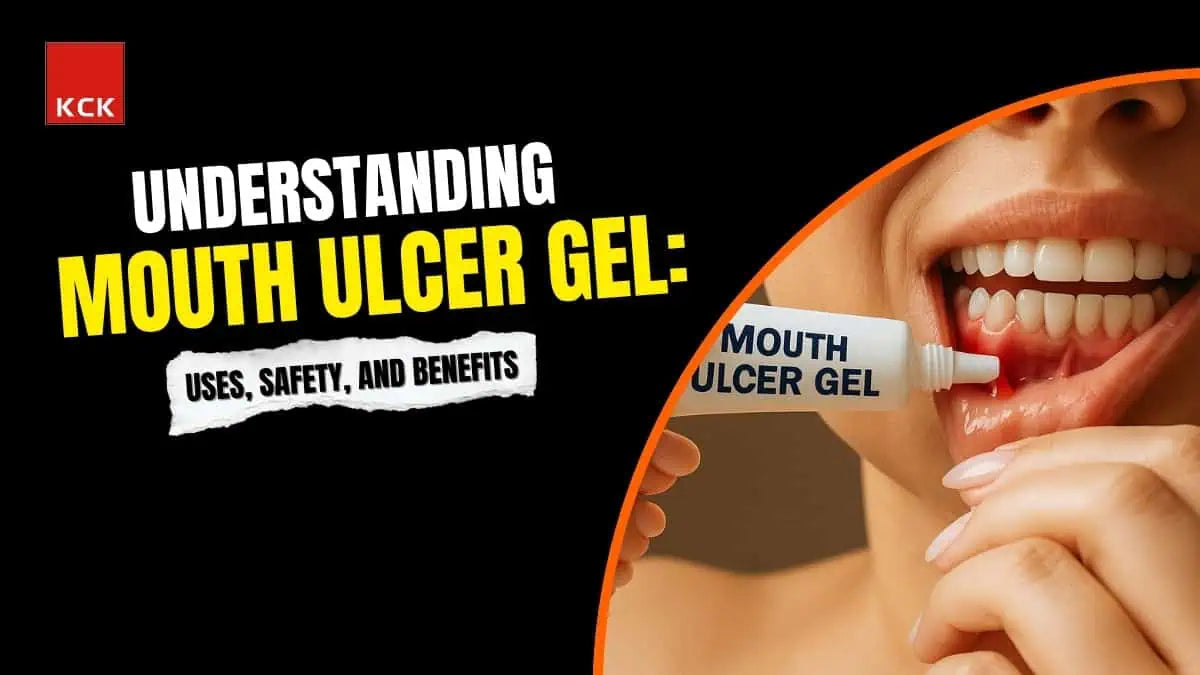
Mouth ulcers, also called canker sores, are small, painful spots that form inside your mouth. They are not dangerous and don’t spread to others. They usually heal on their own in one to three weeks.
Mouth ulcer gels play an important role in dental care. They quickly reduce pain, protect the sore so it heals faster, and help prevent infections. This makes the patient feel much more comfortable.
Let’s check what a mouth ulcer is, its uses, safety, and benefits.
What is a Mouth Ulcer Gel?
A mouth ulcer gel is a medicine you apply directly to mouth sores, such as mouth ulcers, canker sores, or cold sores. It gives relief exactly where you need it.
These gels typically contain ingredients that reduce pain, swelling, or inflammation, as well as help prevent germs.
Common ingredients include:
- Benzocaine: Numbs the sore to give quick, short-term pain relief.
- Lidocaine: Blocks nerve signals to reduce pain.
- Choline salicylate: Lowers pain and swelling.
And there are different types of mouth ulcer gels:
-
Over-the-counter (OTC) gels:
You can buy these without a prescription. They usually have lower amounts of active ingredients and work well for mild, everyday mouth sores. -
Prescription gels:
A doctor may give these for severe or long-lasting ulcers. They may contain stronger medicines like corticosteroids to reduce inflammation or antiviral agents (such as acyclovir) if the sore is caused by a virus.
Mouth ulcer gels work in a few simple ways:
-
They reduce pain: Ingredients like benzocaine and lidocaine numb the sore and give quick, temporary relief.
-
They reduce swelling: Ingredients such as choline salicylate lower redness and swelling, which helps the sore heal faster.
-
They protect the sore: Many gels create a thin layer over the ulcer. This shield keeps the sore safe from irritation caused by food, drinks, saliva, or rubbing from teeth or braces, making healing more comfortable.
Clinical Uses of Mouth Ulcer Gels
1. Pain relief for canker sores (aphthous ulcers):
These gels numb the area with ingredients like lidocaine or benzocaine. Some also reduce inflammation using choline salicylate or mild steroids.
2. Treatment for traumatic ulcers and irritation from braces or dentures:
When sores form from biting your cheek, sharp edges, braces, wires, or dentures, the gel covers the sore and protects it. This barrier prevents irritation from food, saliva, or rubbing. Dentists also use these gels after small dental procedures to reduce pain and prevent infection.
3. Comfort during orthodontic or denture treatment:
Braces and prostheses can cause constant rubbing and irritation. Using a sticky (mucoadhesive) gel helps reduce pain, control swelling, and prevent infections. This keeps patients comfortable and supports better treatment results.
Key Ingredients and How They Work
|
Category |
Ingredients |
How They Work |
|
Local Anesthetics |
Lidocaine, Benzocaine |
Numb the ulcer quickly and provide temporary pain relief. |
|
Anti-inflammatory Agents |
Choline salicylate, Benzydamine, Corticosteroids |
Reduce swelling, redness, and irritation to support faster healing. |
|
Antiseptics |
Chlorhexidine, Benzalkonium chloride |
Prevent bacterial infection and stop the ulcer from worsening. |
|
Film-forming / Protective Agents |
Hyaluronic acid, PVP, CMC |
Create a soothing protective layer over the sore to reduce friction and shield exposed tissue. Hyaluronic acid also keeps the area moist and aids tissue repair. |
How to Use Mouth Ulcer Gel Safely
Step-by-step instructions for patients
-
Wash your hands before applying the gel.
-
Dry the area around the ulcer with a clean tissue if possible.
-
Apply a small amount of gel directly to the sore.
-
Gently spread it over the ulcer.
-
Avoid eating or drinking for at least 30 minutes so the gel can stick and work properly.
-
Repeat the application as often as the product label or your dentist advises.
Safety precautions
-
Do not overuse the gel. Follow the recommended amount.
-
Don’t use the gel on children under 2 years old unless the product label or a doctor says it is safe.
-
Try not to swallow the gel.
-
Stop using the product if you notice irritation or an allergic reaction.
Notes for dental professionals
-
Adjust the dosage based on the patient’s age, ulcer severity, and the active ingredients.
-
Teach patients how to apply the gel correctly and how often they should use it.
-
Check for possible interactions with other medicines the patient is taking, especially anesthetics, anti-inflammatory drugs, or antiviral medications.
- Remind patients to return if ulcers last longer than 2 weeks or keep coming back.
Benefits of Mouth Ulcer Gel
-
It gives fast, effective pain relief.
-
It reduces swelling and helps the ulcer heal faster.
-
It protects the sore from rubbing or irritation.
-
It makes it easier for patients to continue dental treatments like braces, dentures, or implants.
Comparison Table: Mouth Ulcer Gel vs Other Treatments
|
Feature |
Mouth Ulcer Gel |
Oral Rinses |
Home Remedies |
|
Pain Relief |
Gives quick, direct pain relief |
Gives mild, short-term relief |
Gives slow or limited relief |
|
Ease of Use |
Easy to apply to the sore |
Easy to use but less targeted |
Simple but not always convenient |
|
Healing Support |
Helps the sore heal faster |
Helps, but it works slowly |
May help slightly |
|
Protection |
Forms a protective layer over the sore |
No protective barrier |
Usually no protection |
|
Patient Compliance |
Patients use it regularly because it works fast |
Patients may forget to rinse often |
Use may vary and is less reliable |
|
Professional Recommendation |
Dentists often recommend it for fast relief |
Recommended for cleaning and hygiene |
Not typically recommended as the main treatment |
Clinical Considerations for Dental Professionals
When choosing a mouth ulcer gel for a patient, dental professionals should carefully select the most suitable type based on the ulcer’s cause, the patient’s age, comfort level, and overall oral health.
Some patients may need a simple anesthetic gel for quick pain relief, while others with severe or recurrent ulcers may benefit from gels containing anti-inflammatory or antiviral ingredients.
It is important to monitor patients for any allergic reactions or sensitivities, especially when using gels with anesthetics or strong anti-inflammatory agents.
Signs like burning, swelling, or itching may indicate a reaction, and the product should be changed or discontinued.
Dental professionals also play a key role in teaching patients how to use the gel correctly.
This includes explaining how much gel to apply, how often to use it, and how long they should continue the application.
Clear instructions help patients get the best results and avoid overuse.
Mouth ulcer gels are also valuable in post-treatment care.
After procedures such as tooth extractions, scaling, or orthodontic adjustments, these gels can reduce pain, protect irritated tissues, and help patients stay comfortable.
This support encourages faster healing and improves the overall treatment experience.
Tips for Dental Patients
Preventing mouth ulcers starts with simple daily habits. Maintain good oral hygiene by brushing gently, flossing regularly, and using a soft-bristle toothbrush to avoid irritating your gums and mouth tissues.
Pay attention to your diet, limit very spicy, acidic, or rough foods that can trigger or worsen sores.
Managing stress is equally important, as stress can weaken your body’s defenses and make ulcers more likely to appear.
If a mouth ulcer persists for more than two weeks, don’t ignore it. Seek advice from your dentist promptly.
Early professional guidance can help identify underlying causes, prevent complications, and ensure faster, more comfortable healing.
Following these tips not only reduces the risk of ulcers but also supports overall oral health and well-being.
Clinical Insights and Practical Takeaways with KCK Direct
Mouth ulcer gels are highly effective, safe, and valuable tools for dental professionals. They not only relieve pain and reduce inflammation but also protect the affected area, supporting faster healing and improving patient comfort during daily activities and dental treatments.
For dental clinics and students, understanding how to choose the right gel, apply it correctly, and counsel patients on safe usage is essential.
Proper use of these gels ensures better patient outcomes, encourages adherence to treatment plans, and enhances overall oral care.
KCK Direct offers a wide range of professional oral care gels and dental supplies designed to meet the needs of clinics and practices. Explore their selection to equip your practice with high-quality, effective solutions that help you provide the best care for your patients.
For complete clinic essentials, you can also browse our dedicated dental clinic setup page for streamlined, ready-to-use equipment and supplies.
FAQs
-
What is the mechanism of action of the mouth ulcer gel?
Mouth ulcer gel works by numbing pain, reducing swelling, and forming a protective layer over the sore to help it heal faster.
-
What are the professional considerations when choosing a gel for a clinic?
Dentists should consider the ulcer type, patient age, ingredient strength, allergies, and overall oral health.
-
How quickly does mouth ulcer gel work?
It usually provides pain relief within a few minutes after application.
-
How often should the gel be applied?
Apply the gel as directed on the product label or by your dentist, usually several times a day.
-
Can mouth ulcer gel replace oral hygiene or professional treatment?
No, it only relieves symptoms; proper oral hygiene and professional care are still needed.
-
Can mouth ulcer gel be used with braces or dentures?
Yes, it protects sores from irritation caused by braces, wires, or dentures.
-
When should a dental professional recommend mouth ulcer gel to patients?
Recommend it when patients have painful ulcers, post-treatment sores, or irritation from dental devices.

Last Chance Deals


Last Chance Deals


Last Chance Deals


Rs. 2,600.00
Rs. 3,400.00
24% Off

Last Chance Deals


Last Chance Deals


