


Signs Your Child Needs an Orthodontist (And the Right Age to Start)
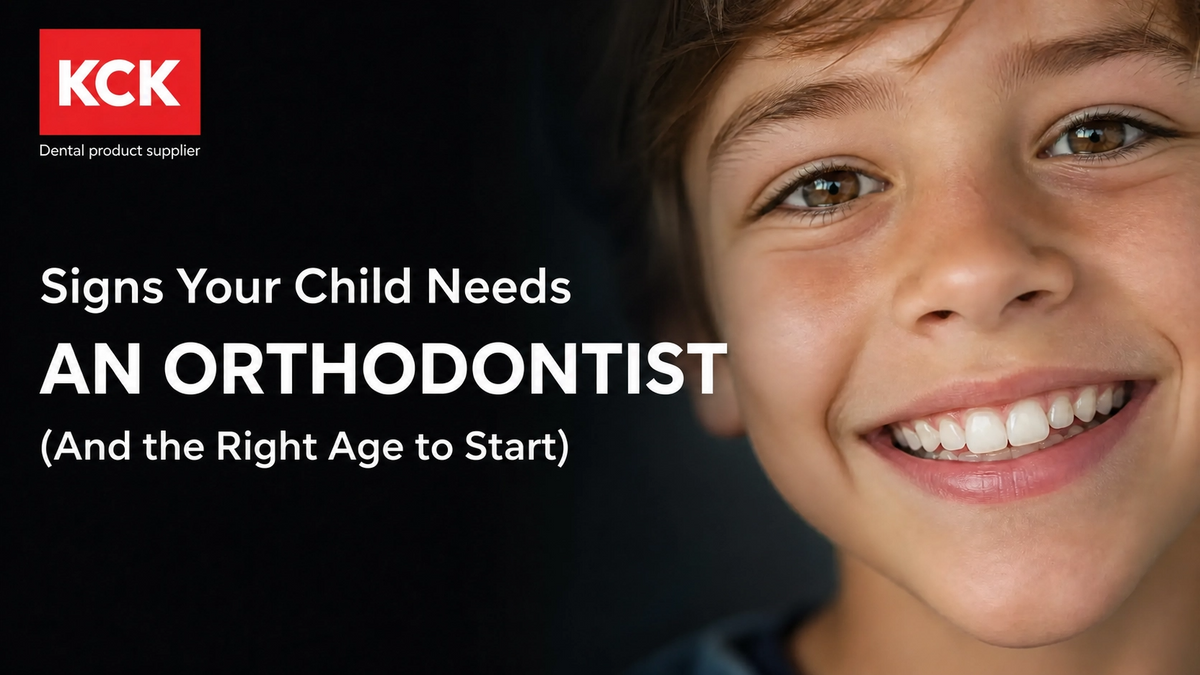
When a dentist recommends that parents take their child for an orthodontic evaluation, many parents feel confused. They often think it is unnecessary because their child still has baby teeth.
Some believe that orthodontic treatment is only needed after all the permanent teeth have erupted, or that any alignment issues will disappear once the baby teeth fall out.
However, that is not always the case. Early orthodontic evaluation can identify problems before they become more serious and help guide proper jaw and tooth development
So, how do you know if your child needs to see an orthodontist?
If you are a parent, this blog will help you understand when it is the right time to seek orthodontic care. Read on to learn what our dentist has to say.
Why Early Orthodontic Care Matters for Children
The American Association of Orthodontists recommends that every child have an orthodontic evaluation by the age of seven.
At this stage, the child's first permanent molars usually erupt. This helps establish the bite and allows the orthodontist to evaluate how the upper and lower teeth fit together, both from front to back and side to side.
Early orthodontic intervention can help correct bite problems, reduce the complexity of future treatment, improve oral hygiene, prevent crowding and impacted teeth, and guide proper jaw growth and development.
Now, let's take a look at what an orthodontist can do for your child.
What Does an Orthodontist Do for Children?
-
Correct bite problems (malocclusions)
An orthodontist checks how your child's upper and lower teeth fit together. They can identify and treat problems such as: -
Overbite or underbite – when the upper or lower teeth overlap too much.
-
Crossbite – when some upper teeth bite inside the lower teeth, which can affect jaw growth.
-
Crowded or spaced teeth – when there is not enough room or too much space for permanent teeth.
-
Protruding teeth – when the front teeth stick out, making them more likely to get injured.
-
Guide jaw growth at an early age
Since a child's jaw is still growing, an orthodontist can guide its development and create enough space for permanent teeth. Early treatment can make future orthodontic treatment easier and shorter. -
Help stop harmful oral habits
Habits such as thumb-sucking, tongue-thrusting, or prolonged pacifier use can affect the growth of the teeth and jaws. An orthodontist can recommend treatments or appliances to help your child stop these habits. -
Provide the right orthodontic appliances
If your child needs treatment, the orthodontist will recommend the most suitable option, such as: -
Braces – to gradually move teeth into the correct position.
-
Clear aligners – removable, nearly invisible trays that straighten teeth in selected cases.
-
Retainers – worn after treatment to keep the teeth in their new position.
You may think that all of this can be handled by a dentist and that your child does not need to visit an orthodontist.
However, it is important to understand the difference between a dentist and an orthodontist. Why does a dentist recommend that your child see an orthodontist for a consultation?
Dentist vs Orthodontist
| Dentist | Orthodontist |
|---|---|
| Focuses on overall oral health. | Focuses on the alignment of teeth and jaws. |
| Provides dental checkups, cleanings, and fillings. | Provides braces, clear aligners, and other orthodontic treatments. |
| Helps prevent and treat common dental problems such as cavities and gum disease. | Corrects bite problems, crooked teeth, and jaw alignment issues. |
| Treats patients of all ages for general dental care. | Specializes in improving the position and function of the teeth and jaws. |
What Is the Right Age for a Child's First Orthodontic Visit?
As we mentioned earlier, every child should have their first orthodontic evaluation by the age of seven.
By this age, the first permanent molars and several front permanent teeth have usually erupted. This allows the orthodontist to evaluate your child's jaw growth, bite, and the development of the permanent teeth.
An early orthodontic visit does not mean your child will need braces right away. Instead, it gives the orthodontist a clear baseline to monitor your child's dental development and identify any potential problems early. If treatment is needed, it can often begin at the most effective time.
Now, let's look at why age seven is an important milestone for an orthodontic evaluation.
Why Age 7 Matters
-
Guide jaw growth early
A child's jaw is still growing at this age. An orthodontist can guide its development and reduce the need for tooth extractions or jaw surgery in the future. -
Detect hidden problems early
Early evaluation can identify issues such as impacted teeth, deep bites, and severe crowding before they become more serious. -
Correct harmful oral habits
Habits like prolonged thumb-sucking and chronic mouth breathing can affect the growth of the teeth and jaws. Early treatment can help prevent long-term problems. -
Make future treatment easier
When treatment starts at the right time, it is often shorter, more comfortable, and less complex. Early intervention may also reduce the cost and duration of braces later.
Orthodontic Milestones by Age
|
Age |
What the Orthodontist Checks |
|
6–7 years |
Evaluates jaw growth, bite alignment, and the eruption of the first permanent teeth. Identifies early orthodontic problems. |
|
8–10 years |
Monitors jaw development, checks for crowding or spacing, and determines whether early treatment (Phase 1) is needed. |
|
11–13 years |
Assesses the eruption of most permanent teeth and begins braces or clear aligners if required. |
|
14+ years |
Completes orthodontic treatment, fine-tunes tooth alignment and bite, and provides retainers to maintain the results. |
10 Signs Your Child May Need an Orthodontist
1. Crowded or Crooked Teeth
If your child's teeth overlap or look crooked, there may not be enough space in the jaw for all the permanent teeth. Early orthodontic treatment can help create enough room and improve alignment.
2. Early or Late Loss of Baby Teeth
Baby teeth play an important role in guiding permanent teeth into the correct position. If they fall out too early or stay in place for too long, the permanent teeth may not erupt properly.
3. Difficulty Biting or Chewing
Does your child struggle to bite into food or chew comfortably? An uneven bite can make eating difficult and may be a sign of an orthodontic problem.
4. Mouth Breathing
If your child often breathes through their mouth instead of their nose, it may affect the growth of the teeth and jaws. An orthodontic evaluation can help identify whether jaw or bite problems are contributing to this issue.
5. Thumb-Sucking Beyond Early Childhood
Thumb-sucking is common in young children, but if the habit continues for too long, it can change the position of the teeth and affect jaw development. Early treatment can help prevent long-term problems.
6. Teeth That Do Not Meet Properly
When your child bites down, the upper and lower teeth should fit together correctly. Problems such as an open bite or crossbite can affect chewing, speaking, and jaw growth.
7. Protruding Front Teeth
Front teeth that stick out are more likely to be injured during sports, play, or accidental falls. Early orthodontic treatment can improve their position and reduce the risk of damage.
8. Frequent Biting of the Cheeks or Tongue
If your child often bites the inside of their cheeks or tongue while eating or talking, it may be due to a misaligned bite. An orthodontist can identify the cause and recommend the right treatment.
9. Jaw Shifting or Clicking Sounds
If your child's jaw shifts, makes clicking sounds, or feels uncomfortable while opening or closing the mouth, it could be a sign of a bite or jaw alignment problem. An orthodontic evaluation can help detect the cause.
10. Difficulty Closing the Lips Comfortably
If your child cannot comfortably close their lips without straining, it may be related to the position of the teeth or the growth of the jaws. Early assessment can help prevent the problem from becoming more severe.
Remember: Not every child with these signs will need braces right away. However, an early orthodontic evaluation can help detect problems early and ensure your child's teeth and jaws develop properly.
Common Orthodontic Problems Seen in Children
|
Condition |
Description |
|
Crowding |
There is not enough space in the jaw, so the teeth overlap or grow crooked. |
|
Spacing |
There are large gaps between the teeth because there is extra space in the jaw or some teeth are missing. |
|
Overbite |
The upper front teeth overlap the lower front teeth more than normal. |
|
Underbite |
The lower front teeth sit in front of the upper front teeth when the mouth is closed. |
|
Crossbite |
One or more upper teeth bite inside the lower teeth instead of outside them. |
|
Open Bite |
The upper and lower front teeth do not touch when the mouth is closed, leaving a gap between them. |
Does Every Child Who Sees an Orthodontist Need Braces?
No, not every child who visits an orthodontist will need braces. Many children have healthy teeth and jaw development and only need regular check-ups to monitor their growth.
Only some children need early orthodontic treatment. For most children, the orthodontist simply establishes a growth baseline and monitors how the permanent teeth and jaws develop over time. If treatment is needed, it often begins after most of the permanent teeth have erupted, usually between the ages of 9 and 14.
Early orthodontic evaluation does not mean your child will get braces right away. It helps the orthodontist identify problems early and choose the best time to start treatment, if needed.
What Parents Can Do to Support Healthy Dental Development
-
Schedule an orthodontic evaluation at the right time
Take your child for an orthodontic check-up around the age of seven or earlier if you notice any dental concerns. Early visits help identify problems before they become more complicated. -
Monitor your child's tooth eruption
Keep track of when your child's baby teeth fall out and permanent teeth come in. If teeth appear too early, too late, or in unusual positions, consult your dentist or orthodontist. -
Encourage healthy oral habits
Teach your child to brush twice a day, floss regularly, and maintain good oral hygiene to keep their teeth and gums healthy. -
Address thumb-sucking and other habits early
Prolonged thumb-sucking, tongue-thrusting, or pacifier use can affect tooth position and jaw development. Work with your child to stop these habits at the right age. -
Attend regular dental check-ups
Regular visits allow the dentist to monitor your child's overall oral health and detect any concerns early. -
Encourage a balanced diet
Limit sugary snacks and drinks, and include healthy foods that support strong teeth and proper growth. -
Protect your child's teeth during activities
If your child plays contact sports, use a mouthguard to protect their teeth from injuries, especially if they have protruding front teeth. -
Pay attention to changes in your child's bite
Notice signs such as difficulty chewing, teeth not meeting properly, jaw shifting, or discomfort while opening and closing the mouth. Discuss these concerns with a dental professional.
Final Thoughts on Early Orthodontic Care
Taking your child for an orthodontic evaluation at around the age of seven can help ensure healthy dental development. At this stage, an orthodontist can check your child's bite, tooth alignment, and jaw growth to identify any potential concerns early.
Remember, an early orthodontic visit does not mean your child will need braces immediately. Many children only need regular monitoring, while others may benefit from early treatment to guide proper growth and make future treatment easier.
Regular dental check-ups, good oral habits, and timely orthodontic care all play an important role in keeping your child's smile healthy.
At KCK Direct, as an online orthodontic supplier , we provide a range of orthodontic solutions for children, including kids' braces, brackets, and other orthodontic instrument options designed to support proper tooth alignment and healthy smiles.
Frequently Asked Questions
1. At what age should my child first see an orthodontist?
The American Association of Orthodontists recommends an orthodontic evaluation around the age of seven. This helps the orthodontist check jaw growth, bite, and tooth development at an early stage.
2. Does my child need braces if their teeth look straight?
Not always. Some orthodontic problems involve the bite or jaw alignment, which may not be visible just by looking at the teeth.
3. Is age 7 too early for orthodontic treatment?
No. Age seven is a good time for an evaluation, but it does not mean your child will need treatment right away. The orthodontist will recommend treatment only if it is necessary.
4. What are the earliest signs of orthodontic problems?
Signs may include crowded teeth, difficulty biting or chewing, mouth breathing, early or late loss of baby teeth, and teeth that do not meet properly.
5. Can orthodontic problems correct themselves?
Some minor issues may improve as a child grows, but many bite and alignment problems need professional evaluation and monitoring.
6. How do I know if my child needs braces?
An orthodontist can determine whether your child needs braces by checking tooth alignment, bite, jaw growth, and overall dental development.
7. What happens during a child's first orthodontic consultation?
The orthodontist examines your child's teeth and jaws, may take X-rays or photos, and explains whether treatment is needed and the best time to begin.
8. Are braces the only treatment option for children?
No. Depending on your child's needs, an orthodontist may recommend expanders, retainers, clear aligners, or other orthodontic appliances.


Last Chance Deals


Last Chance Deals


Last Chance Deals


Rs. 2,600.00
Rs. 3,400.00
24% Off

Last Chance Deals


Last Chance Deals


